Rummy How-To: Build a Session Debrief Template
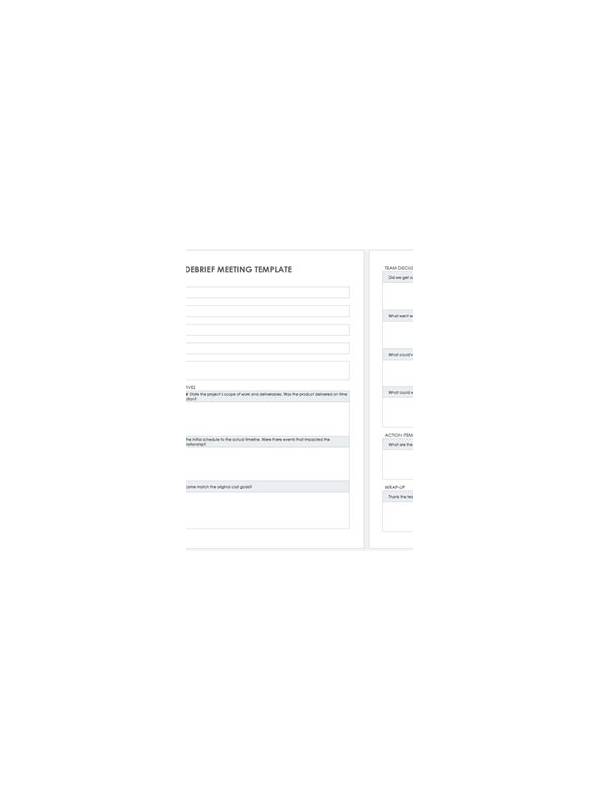
A useful session debrief should be short enough to complete while the decisions are still fresh. The aim is not to retell every card. It is to preserve the evidence needed to improve your next session. A four-part template works well: starting plan, turning point, decision quality, and next experiment.
Record the starting plan in one sentence. Note the required group you prioritized, the type of flexibility you wanted, and any time or spending boundary you set. This gives the later review a baseline. Without it, a hand can seem irrational simply because you forgot what information was available at the beginning.
Identify one turning point. It may be a missed draw, an open-pile choice, a joker, an opponent declaration, or a technical interruption. Describe what changed in observable terms. Avoid calling it lucky or unlucky before considering the decision that followed. The card was an event; your response is the review target.
Assess decision quality separately from outcome. Ask whether your choice followed the rules, used the information then available, and kept risk within your plan. A losing choice can still be well reasoned, while a winning choice can be careless. This distinction prevents random results from teaching the wrong lesson.
Finish with one next experiment. Choose a behavior you can test immediately, such as rechecking a narrow route after two misses, comparing two discards aloud, or setting a fixed final-hand checklist. One experiment is easier to observe than a long list of resolutions.
Keep notes factual and private. Do not record another player’s personal information, share screenshots of private hands, or turn a review into criticism. If you played for money, include whether you stayed within your preset boundary, but avoid using the result to justify chasing.
The template can fit in a few lines. Over several sessions, repeated entries reveal patterns: late downgrades, rushed declarations, excessive waiting, or unclear rules. Those patterns are more valuable than a single memorable win or loss because they point to a skill you can practice deliberately.
Review the template periodically rather than after every minor hand if frequent note-taking becomes distracting. A weekly summary can group similar turning points and show whether the chosen experiment changed behavior. Keep the original entries available so you can distinguish genuine improvement from a temporary run of favorable outcomes.
Related Post
Rummy Tips: Use Card Families to Avoid Tunnel Vision
Grouping possibilities into card families helps players notice useful alternatives without tracking every unseen card. [...]
Rummy Suit Balance: A Simple Way to Judge Your Opening Hand
Learn how suit distribution can reveal strengths and risks before your first draw. [...]