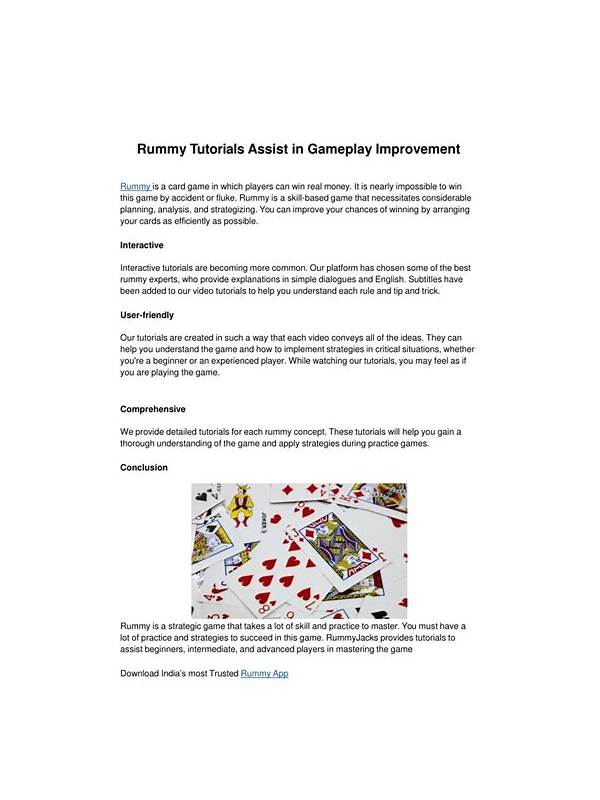
Rummy Comparison: Playing From a Goal or From a Constraint
Goal-first play begins with the arrangement you want to build. Constraint-first play begins with what the hand or format will not allow you to ignore. Both approaches are useful. Goal-first thinking creates direction, while constraint-first thinking prevents an attractive route from violating a requirement, exceeding available space, or taking too long to complete.
Use goal-first thinking when the opening hand contains a clear, efficient structure. Identify the intended sequences or sets, then hold only the cards that support them. This approach reduces scattered decisions and can make the next discard obvious. Its weakness is tunnel vision: a strong-looking target may cause you to ignore a mandatory pure sequence or a changing discard landscape.
Use constraint-first thinking when the hand is messy or the rules are unfamiliar. List the non-negotiables: the required groups, cards that cannot be substituted, the number of slots available, and the likely time before another player acts. Then eliminate routes that cannot satisfy those constraints. This may feel less exciting, but it quickly removes plans that were never practical.
The best routine combines them in order. Check constraints first, select a credible goal second, and keep one fallback within the same boundaries. When the goal loses support, return to the constraints instead of searching randomly. Ask what must still be protected and which remaining route fits it with the least cost.
Review the method after a hand. If you followed a goal that ignored an obvious restriction, add that restriction to your opening scan. If you listed constraints but never chose a direction, add a goal-selection deadline. The comparison is not about finding one universal style. It is about using the right lens for the hand’s current problem: direction when options are broad, and limits when possibilities are misleading.
You can switch lenses several times in one hand. An opening constraint may identify a pure-sequence candidate, after which a goal can guide the next draws. Later, a missed connection may require another constraint check. Treat the switch as a normal part of planning. The strongest approach is not the one that sounds most confident; it is the one that keeps goals realistic and constraints visible as information changes. Reviewing both lenses helps turn uncertainty into a manageable sequence of choices. Over time, switching deliberately becomes a repeatable skill: protect the limits, choose the goal, and reassess when evidence changes. The method remains useful because it adapts without becoming directionless.
Related Post
Rummy Safety: Avoid Screen Recording Sensitive Gameplay
Screen recordings can expose account details and private information even when they are made for [...]
Rummy Joker Management: Keep Flexibility Under Control
Jokers are flexible rummy cards, but assigning them carefully can protect both structure and scoring. [...]