Rummy Guide: Ask Two Questions Before Taking From the Discard Pile
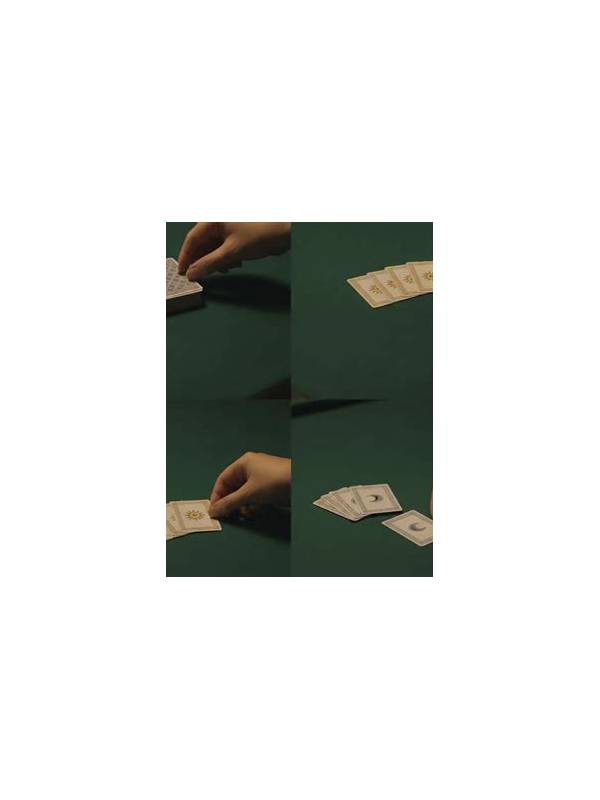
Taking a card from the discard pile can feel efficient because it is visible and immediately available. Yet visibility does not make a card valuable. Before picking it up, ask two questions: what exact combination can it support, and what will you discard afterward? These questions turn a tempting choice into a small planning exercise.
The first question is about structure. A card should have a specific job, such as completing a sequence, extending a sequence, or creating a set with cards already in your hand. “It might be useful later” is weaker than a clear connection. If the discard is a seven of hearts and you hold the six and eight of hearts, its role is obvious. If you hold only unrelated middle cards, the same discard may simply increase clutter.
The second question is about the exchange. Drawing one card means another card must leave. Identify the likely discard before you pick up the visible card. If removing that card breaks a stronger combination, the exchange may be negative even when the new card fits somewhere. A useful pickup usually improves the hand without sacrificing a confirmed structure.
Pay attention to information as well. Taking a conspicuous card can tell opponents that you are interested in its rank or suit. That clue is not automatically a reason to avoid it, but it belongs in the decision. If two cards offer similar progress, the less revealing option may preserve more flexibility. Also consider whether the discard has been available for several turns; an old card may be safe to take, while a fresh discard can carry more strategic information.
Finally, compare the visible card with the unknown alternative from the closed deck. The discard gives certainty, but certainty is useful only when it serves a plan. If it creates a narrow, incomplete combination and forces an awkward discard, an unknown draw may leave more options. You cannot control the next card, but you can control whether your current choice has a defined purpose.
This two-question check takes only a few seconds. Name the combination, name the outgoing card, and then consider the information revealed. Repeating the routine makes discard decisions calmer and prevents the pile from becoming a collection of attractive distractions. This habit is especially useful for newer players because it replaces guesswork with a repeatable decision, while still leaving room to account for timing and table context.
Related Post
Rummy FAQ: What Does a Neutral Discard Mean?
Understand why a neutral discard is often a reasonable choice even when it does not [...]
Rummy Safety: Recognize Pressure Tactics in Gaming Promotions
Learn to pause when promotional language tries to turn a casual decision into an urgent [...]