How to Manage a Rummy Hand After the First Draws
The first few draws in a rummy game can change the shape of a hand quickly. A card that looked useful at the start may become an isolated liability, while a single new card can reveal a strong sequence. Instead of following the original plan stubbornly, pause after several turns and reassess the hand.
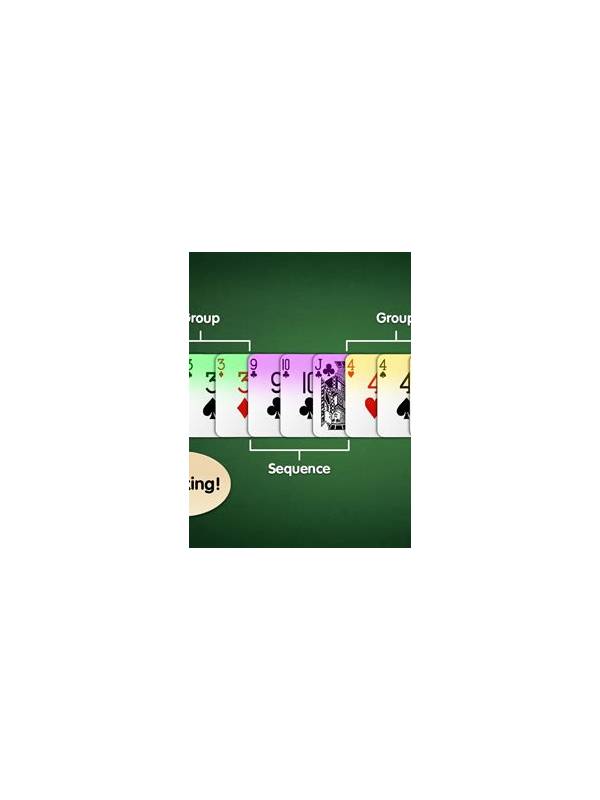
Begin by identifying any confirmed combination. A pure sequence is usually the most important anchor in Indian rummy because it does not depend on a joker. Mark it mentally, then look for a second sequence or a promising pair. Do not treat two cards of the same suit as a finished idea; they are only a possibility until a third card arrives.
Next, classify the ungrouped cards by flexibility. A middle card such as a seven or eight can connect in more ways than an ace or king, but its value depends on the cards already visible. A high card that cannot join a group should be considered for discard, especially if keeping it encourages you to chase several unlikely draws at once. Also count penalty points. An attractive combination is not always worth retaining if it leaves multiple expensive singletons.
Review the discard pile without trying to remember every card. Ask two questions: which cards are clearly unavailable to you, and what might your opponent be collecting? The first question prevents wasted hopes. The second should inform your discard, but it should not make you hold every card that could possibly help someone else.
Jokers deserve a separate check. A joker can complete a set or impure sequence, but using it too early may conceal a better arrangement. Keep it flexible while you search for a pure sequence. Once the hand has a reliable foundation, use the joker where it removes the most points or completes the most difficult group.
Finally, make one concrete adjustment each turn. Rearrange the hand, choose a discard, and define what kind of card would improve the remaining plan. This simple routine limits emotional decisions and makes the hand easier to read. Good management is not about predicting the perfect draw; it is about keeping several reasonable paths open while steadily reducing risk. n+One helpful question is whether a proposed group improves the whole hand or merely looks attractive in isolation. A new pair can be exciting, yet it may force you to break a nearly complete sequence. Consider the cost of rearranging before committing. When possible, leave one card unassigned temporarily and compare two layouts. The stronger layout is the one that needs fewer exact draws, keeps penalties modest, and leaves a clear next discard. This habit makes mid-game reviews practical even when the table is moving quickly.
Related Post
Rummy Guide: Separate Card Value From Card Familiarity
A familiar card can feel valuable even when its current job is weak, so evaluate [...]
Rummy How-To: Handle Conflicting Signals in the Discard Area
A disciplined method helps players interpret mixed discard signals without treating one visible card as [...]