Rummy Comparison: Short Sessions or Long Practice Blocks
Practice length affects what a rummy player notices and remembers. Short sessions are easy to fit into a day and can support one focused skill. Longer blocks provide more repetitions, but fatigue may reduce the quality of decisions. The better format depends on the purpose of practice.
Choose a short session when you want to study one narrow idea, such as sorting a hand, checking a declaration, or comparing two discard candidates. Ten to fifteen minutes can be enough to complete a few exercises and write one observation. Short practice also makes it easier to stop before attention becomes unreliable.
A longer block may suit a structured review of several hands, especially when you need to compare the same decision in different situations. Plan breaks in advance and use a clear stopping point. Without boundaries, a long block can turn into unplanned play, particularly when a result feels unfinished.
The quality of the exercise matters more than the number of hands. In a short block, write down why a card was kept or released. In a long block, avoid recording every detail; select a few decisions that illustrate the skill you are studying. A smaller, accurate record is more useful than a large collection of guesses.
Watch for signs that the block has stopped being productive. Repeating the same careless error, skipping rule checks, feeling unusually frustrated, or losing track of time are reasons to pause. Fatigue can look like poor strategy, so do not use a tired session as evidence that you have forgotten everything.
You can combine both formats during a week. Use short sessions for daily recognition drills and one longer, planned review when you have enough time and attention. Keep practice separate from any activity involving money, and do not extend a session simply to compensate for a disappointing result.
Compare routines by process measures: Did you complete the planned exercise? Could you explain one decision afterward? Did you stop at the intended time? These questions reveal whether a routine is sustainable. A shorter routine that you repeat calmly may teach more than an ambitious block that happens rarely and ends in exhaustion.
There is no universal ideal duration. Match the block to your available attention, define its purpose before starting, and treat breaks as part of the routine. Practice works best when it remains deliberate, limited, and easy to review.
If you are unsure which format suits you, try each once with the same exercise and compare the notes afterward. Choose the routine that leaves you clearer about one skill, not the routine that simply contains more hands.
Related Post

Rummy Practice: Build a Hand From Random Cards
A simple random-card exercise develops grouping skills without requiring a live table or financial pressure. [...]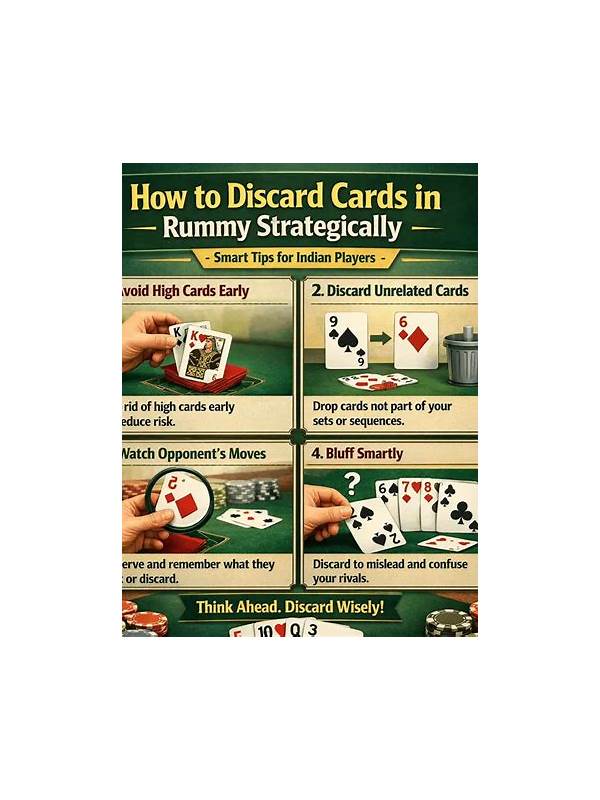
Rummy Tips: Make Your Discard Reason Easy to Explain
Explaining a discard in one sentence exposes weak reasoning before it becomes a habit. [...]