Rummy How-To: Build a Personal Card-Value Scale
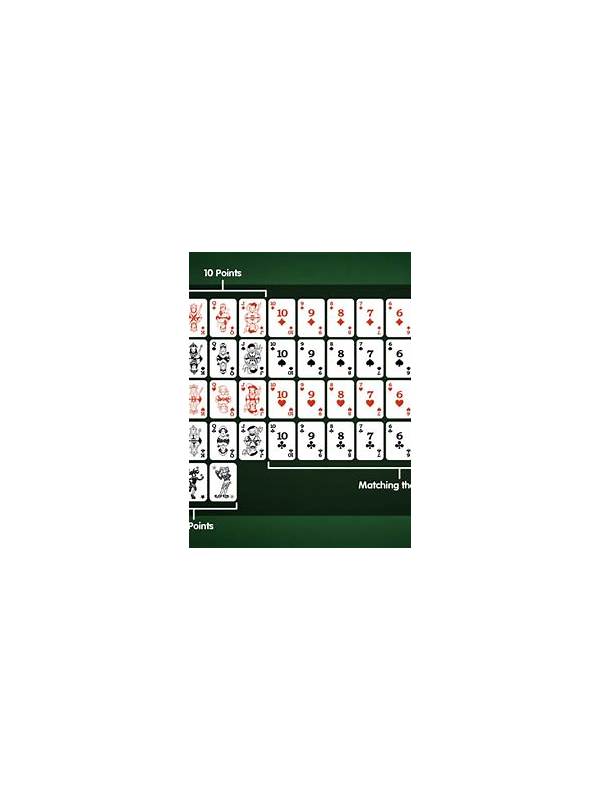
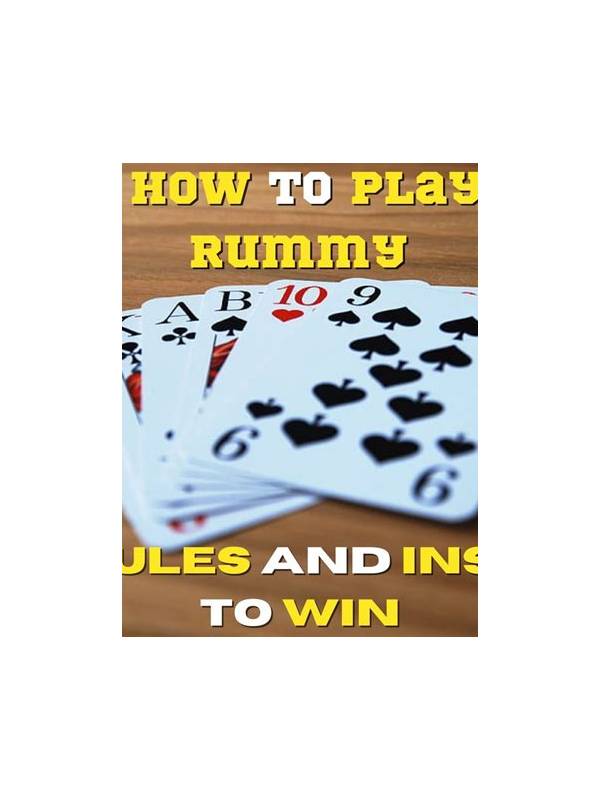
Card value in rummy is not just the printed number. A card’s practical value changes with its connections, its role in your plan, and the cost of keeping it. A personal card-value scale can make discard choices faster without pretending that every situation has one fixed answer.
Use three labels to begin: protected, useful, and expendable. Protected cards already belong to a confirmed legal group. Useful cards have at least one realistic connection or serve a flexible role. Expendable cards have no convincing place in the current hand. Add a separate warning mark for expensive cards that are neither protected nor useful.
Now refine the useful label with a small score. Give one point for each realistic completion route, one for a second role in another group, and one for low penalty if the hand ends. Subtract a point when the required card is visibly unlikely or when keeping the card blocks a stronger arrangement. This is not a mathematical forecast; it is a consistent comparison tool.
Apply the scale to a pair of possible discards. Suppose one card is moderately connected but expensive and another is low value with one narrow route. The scale makes the trade-off visible. You might keep the expensive card when its route is strong, or release it when the low card preserves more structure. The best discard is the card with the smallest contribution to the whole hand, not always the highest printed value.
Keep the scale personal and simple. A complicated formula slows decisions and creates false precision. After each session, note one situation in which your labels felt wrong. Perhaps you overvalued a joker because it had many theoretical uses, or undervalued a middle card that connected two groups. Adjust the explanation behind the label rather than changing it randomly.
Use the scale consistently across different formats, but allow the format to affect the cost label. A card that is manageable in a long pool-style sequence of decisions may be more urgent in a short hand. Write down that context when reviewing so you do not conclude that the card has one universal value.
The scale should remain dynamic. A card can move from useful to expendable after a key discard, or from expendable to protected after a draw. Its value is a snapshot of the current hand, not a permanent identity.
With practice, this scale turns vague impressions into comparable evidence. It helps you explain a discard, review a mistake, and make quicker decisions while leaving room for the changing shape of the hand.
Related Post
Rummy Guide: Recheck the Declaration in a Fixed Order
A fixed declaration review reduces missed requirements when a promising rummy hand is ready to [...]
Rummy Safety: Set a Pause Rule for Unexpected Payment Prompts
A simple pause rule can prevent rushed payment decisions when an app displays an unexpected [...]