Rummy Practice: Review the First Irreversible Choice
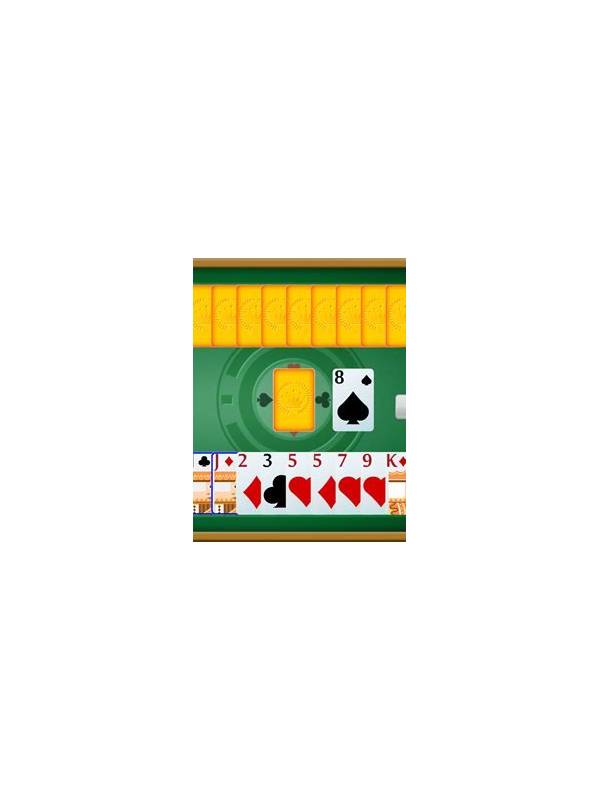
When a rummy hand goes wrong, players often inspect the final discard. That choice may only reflect a problem created several turns earlier. Review the first irreversible choice instead: the moment when a flexible hand became committed to a route with few exits.
An irreversible choice is not necessarily a mistake. It may be the correct response to strong evidence. The important feature is reduced flexibility. Examples include breaking a useful connector, accepting a narrow sequence route, discarding the only card that supports an alternate plan, or building a group that strands the remainder. Mark the moment without judging it yet.
Reconstruct the information available at that turn. Which cards were visible? How many draws remained? What were the hand’s secure groups and unresolved requirements? Write the chosen route and the strongest alternative. Avoid using cards revealed later as if they were known earlier. This keeps the review fair and prevents hindsight from becoming the teacher.
Compare the choice with four tests. Did it reduce the number of difficult requirements? Did it retain at least one practical exit? Did it match the remaining turn budget? Did its downside remain manageable if the next draw missed? A choice that passes most tests may have been sound even if the result was poor. A choice that fails several tests identifies a useful practice target.
Run the same position again with a delayed reveal. Pause before the irreversible choice, write two plans, and continue each mentally or in a replay if available. Notice which plan leaves more repairable cards after a neutral draw. This trains you to value survivability rather than only immediate progress.
Finish by stating one rule for the next session, such as “I will set an exit before keeping a narrow route” or “I will name the alternate before breaking a connector.” Keep the rule narrow enough to remember. The purpose of review is not to eliminate commitment; it is to make commitment deliberate and easier to reverse when the evidence changes.
If the first irreversible choice was sound, continue backward one more step and ask what made it necessary. You may discover an earlier missed signal, such as an ignored exit rule or an uncounted requirement. If no earlier error appears, accept that the hand simply demanded a difficult commitment. Learning to distinguish unavoidable risk from preventable risk is a central benefit of this review.
That distinction makes future practice more precise and less emotional.
Related Post

Rummy FAQ: Can a Pair Be a Finished Group?
A pair may be useful during planning, but it is usually not a finished rummy [...]
Rummy Safety: Keep Account Recovery Details Private
Protecting recovery information reduces the chance that a game account becomes an entry point to [...]