Rummy FAQ: Can a Discard Be Safe for You but Useful to Others?
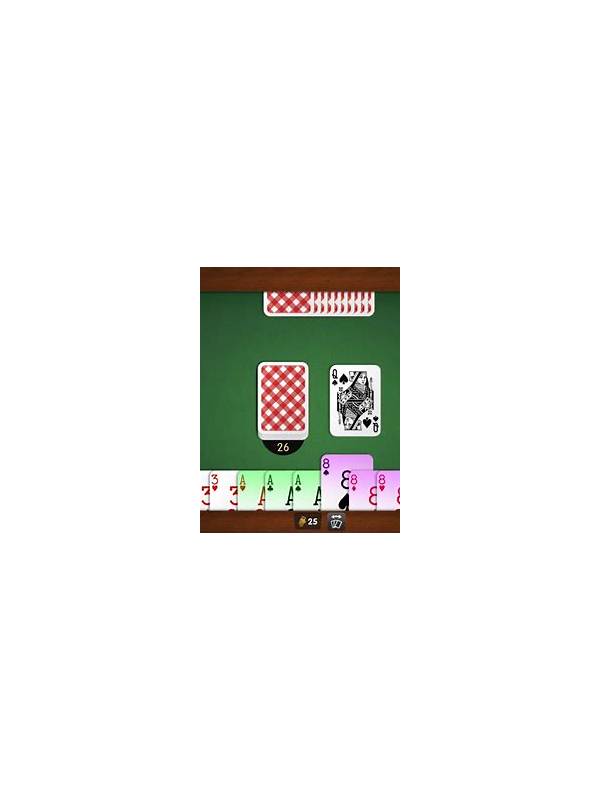
Yes. A discard may be safe from your own hand’s perspective but useful to an opponent. This is why discard decisions need two tests: does releasing the card improve your structure, and what evidence suggests another player could use it?
Start with your side. If the card has no realistic route, carries a high penalty, and blocks a better arrangement, it may be a good candidate. Do not keep a card merely because it feels uncomfortable to release. Your first responsibility is to avoid carrying dead weight.
Then inspect the table. Consider recent pickups, visible sequences, and the suits or ranks an opponent has repeatedly declined. A single discarded card is weak evidence, but a pattern can make a particular release more questionable. When two of your cards are equally expendable, choose the one with less apparent connection to an opponent’s plan.
Remember that uncertainty remains. An opponent may take a card for a reason you cannot see, or may ignore a card you expected them to want. The goal is not to guarantee a safe discard; it is to avoid volunteering a clearly relevant card when a comparable alternative exists.
Timing matters. Early in the hand, preserving your own flexibility may matter more than small defensive gains. Late in the hand, when an opponent appears close, the balance can shift toward a discard that is less informative or less likely to complete a visible route. Keep the adjustment proportional to the evidence.
When no harmless discard exists, choose the card that gives you the best overall position. A defensive choice that destroys your only realistic completion may be worse than an active discard with some risk. Write down the reason afterward: “I released it because it was dead, despite a weak opponent clue,” or “I chose the alternate because the visible pattern was strong.”
Do not confuse an opponent’s interest with certainty about their hand. If they take the card, that may confirm it was useful, but it does not prove you made a bad decision; sometimes every available discard carries risk. The review question is whether another option offered a better balance at the moment you acted.
A safe discard is relative, not absolute. Compare your own need, the opponent’s possible need, and the alternatives available now. This two-sided check improves decisions without requiring perfect knowledge of anyone else’s hand.
The same check applies when the discard pile is almost empty. With fewer clues, reduce your confidence rather than assuming safety. Protect your own structure, avoid obvious gifts when an equal alternative exists, and accept that some decisions will remain uncertain even after careful review.
Related Post
Rummy Guide: Use Discard Pile Clues With Care
A practical way to use the discard pile as evidence while keeping your own plan [...]
Rummy How-To: Create a Fair Review After a Difficult Session
Review a disappointing rummy session using process evidence instead of emotion. [...]