Rummy Safety: Verify a Table Before Sharing Personal Information
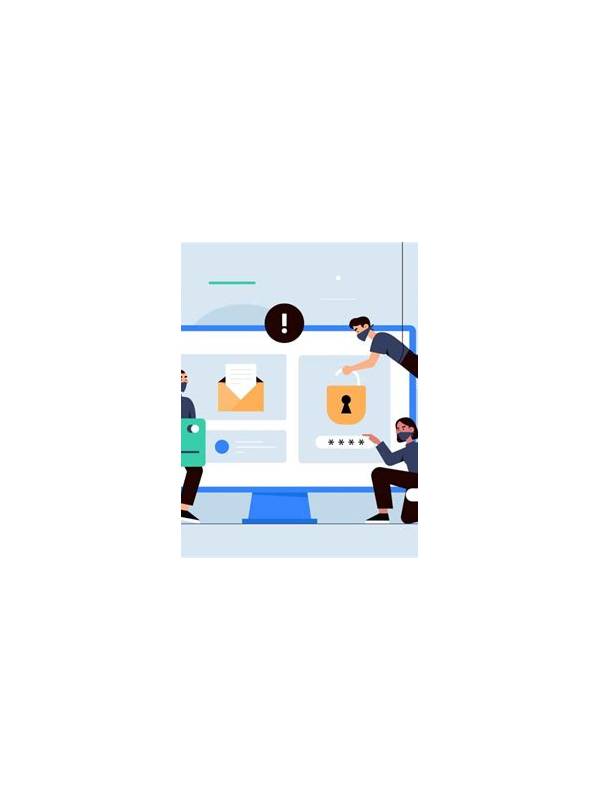
Online table conversation can feel informal, especially when players use friendly names and quick messages. That atmosphere does not make it safe to share personal details. Keep game decisions separate from information about your identity, finances, or access credentials.
Before responding to a request, ask why the information is needed and whether the request comes from an official channel. Other players do not need your password, verification code, payment PIN, address, or a photograph of an identity document. Do not send those details in table chat, direct messages, or a support conversation you reached through an unverified link.
Be cautious with requests that create urgency. A message claiming that your account will close unless you act immediately is a reason to pause, not a reason to comply. Open the service through the normal app or a trusted bookmark and check account notices there. Do not use contact details supplied by a suspicious message.
Screen sharing also deserves care. If you share a display for teaching or troubleshooting, close unrelated tabs, hide notifications, and avoid showing balances or account settings. A helpful explanation can usually be made with a cropped or generic example rather than a full account screen.
If a table rule or fee is unclear, do not settle the question by trusting the most confident player. Find the official rules or support page and compare the wording. Keep a private note of the issue, but do not post personal evidence to prove your case.
When something seems wrong, save non-sensitive details such as the time, table type, and visible error wording. Report through the service’s verified support path. Never let a stranger install remote-control software or ask you to transfer money to “unlock” a result.
A simple rule works well: share only what is necessary for the game, and verify everything that concerns an account or payment outside the table. Good table manners include protecting your own information and respecting the privacy of everyone else.
If you already shared something sensitive, change the relevant credential through the official account settings and contact verified support if needed. Do not continue a conversation merely because you have replied once. A mistaken disclosure is a reason to contain the problem quickly, not a reason to provide more details in an attempt to explain it.
Make the same rule for voice chat: do not read private codes aloud, and leave a conversation if someone pressures you to act immediately. A legitimate game discussion can continue without confidential account information.
Related Post
Rummy FAQ: When Should You Rebuild Your Plan?
Rebuilding a rummy plan is useful when new evidence changes the hand’s strongest structure. [...]
Rummy Comparison: Short Breaks Versus One Long Review
Short reviews after several rounds and one longer weekly review serve different learning needs. [...]