Rummy Joker Planning: Three Ways to Protect a Flexible Hand
A joker can rescue a difficult rummy hand, but it is not automatically the best card to spend first. Its real value comes from the options it creates: it can complete a sequence, stand in for a missing rank, or keep two possible plans alive. Treating every joker as a shortcut often leads to a hand that looks tidy while still failing the declaration rules.
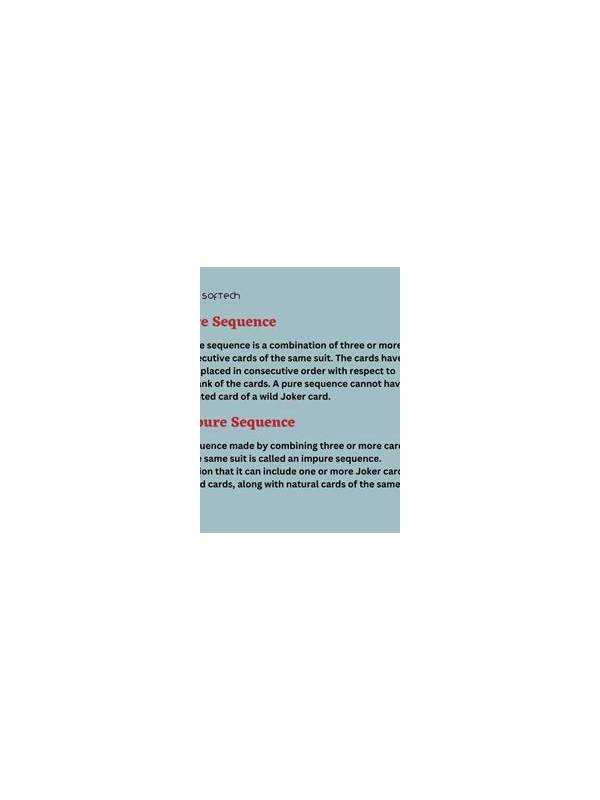
Start by identifying the strongest natural group in your hand. A natural sequence made without a joker is usually worth protecting because it gives your hand a firm foundation. Next, look for a second group that is one card away from completion. A joker may fit there, but pause before placing it. If the missing card is likely to arrive from the discard pile or if another card can join the group in two ways, keeping the joker in reserve may be better.
The second approach is to use a joker where it reduces the most uncertainty. Suppose one joker could complete either a short sequence or a set, while a different card already supports the sequence. Use the joker for the group with fewer natural alternatives. This is not about the printed point value of the cards; it is about how many realistic routes remain after the move.
The third approach is to review the hand after every draw. A joker placed early can become unnecessary when a natural card appears. Re-sort your cards and ask whether moving the joker would create a purer or longer arrangement. Avoid repeatedly rearranging without a decision, though. Set a simple rule: after each draw, consider one improvement and then discard the least useful card.
Finally, remember that a joker does not remove the need for a valid declaration. Check the required number of sequences, including any pure sequence requirement, before you commit to an arrangement. In a points-based game, holding high-value loose cards while waiting for a perfect use of the joker can also increase risk. A flexible hand is valuable only when it leads to legal groups and a manageable score. Use the joker to simplify your choices, not to postpone them. For practice, deal a sample hand and test two joker placements before choosing one. Notice which placement leaves a natural card available for another group. This exercise builds the habit of valuing flexibility by future options rather than by the excitement of an immediate completion. The strongest joker decision is usually the one that leaves a clear fallback if the next draw misses. Write that fallback mentally before you place the card.
Related Post

Rummy Notifications: Which Alerts Deserve Your Attention
Reviewing notification settings can reduce distraction while keeping important account and game messages visible. [...]
Rummy Safety: Verify a Payment Notice Independently
Independent verification helps players avoid acting on convincing but fraudulent payment messages. [...]