Rummy FAQ: When Should You Break a Nearly Complete Set?
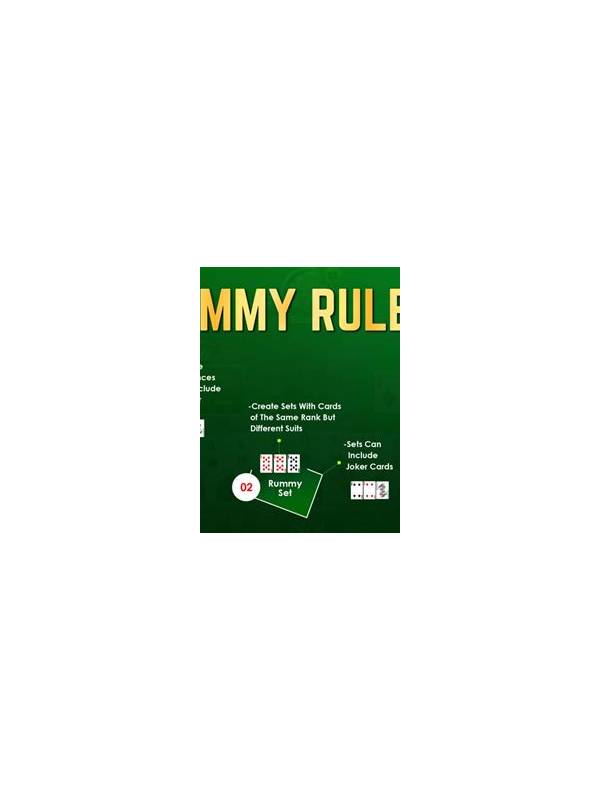
A nearly complete set is tempting to protect because it looks close to finished. Yet closeness is only one measure of value. The set may compete with a sequence, carry a high-cost card, or depend on a card that is unlikely to arrive. Breaking it is sometimes the disciplined choice.
Start by checking the format’s requirements. If you need a natural sequence and the set is holding cards that could form one, the required structure may deserve priority. A set that would complete the hand is useful only if the rest of the hand can satisfy the declaration rules. Never let one attractive group distract from the full checklist.
Then compare the set with its alternatives. Identify what each card could do elsewhere and how many cards are missing from the competing route. A pair in a set can be more valuable when one card completes a run and the other remains a flexible option. Conversely, breaking a stable group for a speculative two-card chase may increase risk without adding enough value.
Timing affects the answer. Early in a hand, keeping the set may preserve a clear anchor while you gather information. Later, if the set has not improved and the table is moving quickly, its opportunity cost becomes larger. A card that looked patient at the start can become passive near the end.
Consider the discard signal too. If breaking the set forces you to release a card that clearly helps an opponent, use that cost in the comparison. It may still be correct, but the decision should be conscious. If the relevant card is already widely visible or your opponent’s route is uncertain, the information risk may be smaller.
There is no universal turn number at which a set must be broken. Use structure, alternatives, timing, and exposure as the test. Keep it when it supports a valid and efficient plan; break it when it prevents a better-supported route. The goal is a complete hand, not the preservation of every group that once looked promising.
Write the competing plans in plain language if the choice feels difficult. For example, one plan may be “hold the set and wait for one rank,” while the other is “use one card in a natural run and discard the remaining high card.” Comparing complete plans exposes hidden costs. It also reduces the tendency to protect the group merely because it is visually tidy. A clear sentence can be more useful than another minute of rearranging cards.
Related Post

Rummy Table Selection: Match Format to Your Attention
Choosing a table by pace, format, and personal attention helps keep an online rummy session [...]
Rummy FAQ: What Is a Useful Way to Handle a Dead Draw?
A dead draw is a chance to reset your evaluation, reduce exposure, and choose the [...]