Rummy FAQ: Why Does Hand Space Matter?
Space is not the same as emptiness. A loose card can occupy a slot while still being valuable if it supports several routes. Judge the job it performs and the cost of replacing it before calling it wasted room.
You can assign an informal space cost: a complete group costs little, a pair costs some room, and a single card costs room only when it has a plausible job. These are planning reminders, not official scoring values.
Hand space is the amount of practical room your cards leave for improvement. In a fixed-size hand, every card has a role or occupies a slot that could hold something else. A crowded arrangement with many weak pairs may have less hand space than a simpler arrangement with one clear group and several flexible cards.
To estimate hand space, separate cards into stable groups, developing groups, and loose cards. Stable groups need little attention. Developing groups consume space because they are waiting for specific cards. Loose cards provide potential space, but only if they can be discarded without damaging a route. This makes hand space different from the number of empty-looking places on a screen.
A hand can lose space when you hold too many speculative pairs. Each pair appears useful, yet together they may block a stronger sequence or make every discard feel painful. Compare the pairs by the number of useful neighbors, their point cost, and whether they overlap with other plans. Keep the pair with the clearest exit rather than the pair that merely looks closest.
Hand space matters more as the hand progresses. Early on, preserving alternatives can be sensible. Later, a large collection of unfinished groups may signal that you need simplification. The correct response depends on the rules and score, but the question remains the same: which cards are earning their place?
Do not confuse hand space with permission to discard randomly. A low-point card can still be an important connector, and a high-point card can be part of a nearly legal group. Use space as a prompt to inspect function. Then verify that a discard does not create an unnecessary risk or violate a rule.
During review, identify the first moment your hand became crowded. That moment often reveals a better lesson than the final declaration. You may have accepted one pair too many, failed to set an exit condition, or missed a chance to consolidate. Seeing space as a resource makes those choices easier to discuss and improve.
Related Post
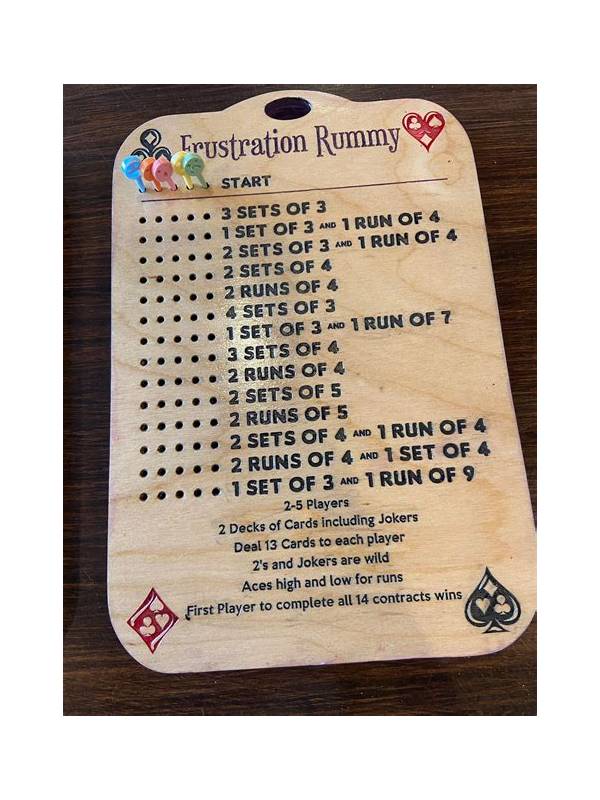
Rummy Guide: Track Missing Cards Without Overcounting
A practical way to track useful missing cards while keeping your rummy decisions simple and [...]
Rummy Comparison: Sorting Cards by Suit or by Value
Compare two ways to organize a rummy hand and choose the approach that reduces mistakes [...]