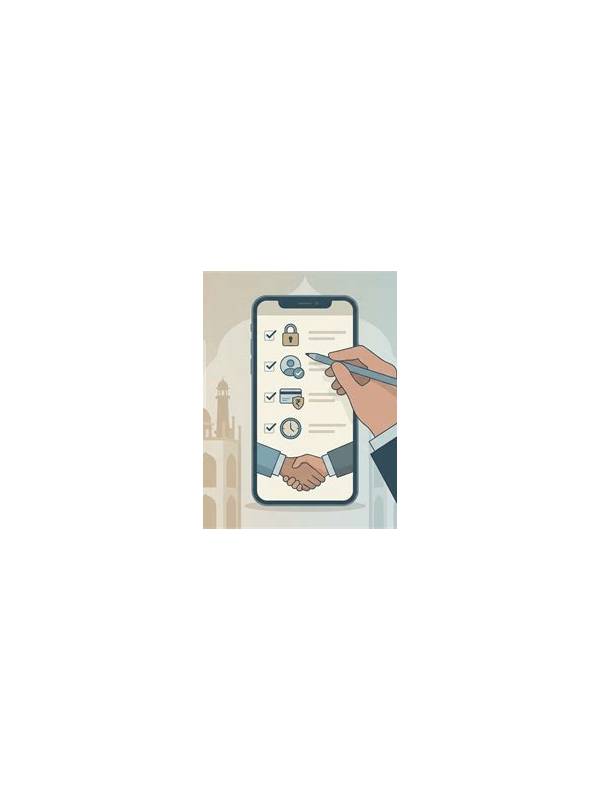
Rummy Guide: Measure a Hand by Its Recovery Options
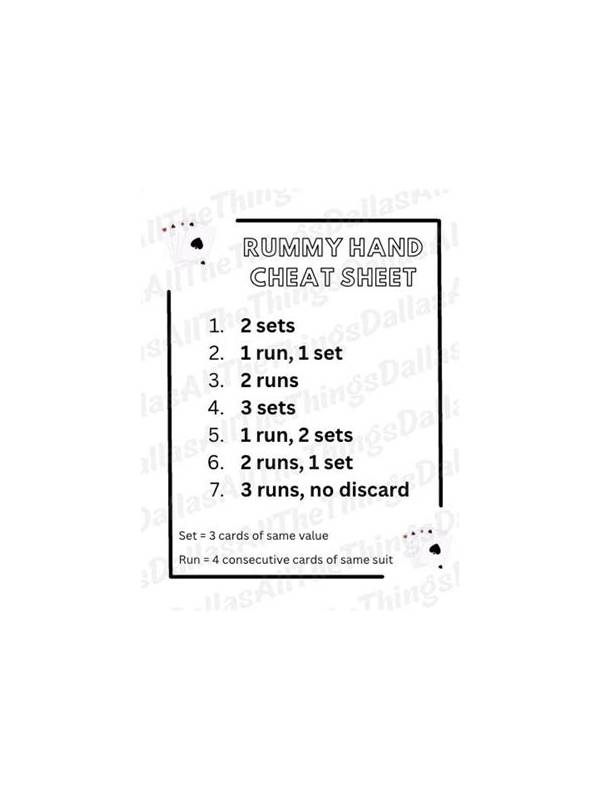
List recovery options before pressure rises. Players often see only the preferred route once the timer is short. A small early inventory keeps one modest alternative visible, making a later change controlled rather than desperate.
List recovery options before the hand becomes desperate. Under pressure, players often count only the perfect original route. A short early inventory keeps a modest alternative visible when the preferred plan stops working.
Recovery does not mean refusing to commit. Once a route is legal or strongly supported, retain only a backup that can be reached without undoing that progress. A small alternative is often enough.
A strong-looking hand is not always a resilient hand. Recovery options measure what you can do after the next card disappoints you. This perspective is valuable because rummy includes uncertainty, and a route that works only when the ideal card appears can be fragile.
To estimate recovery, identify the main plan and then deliberately reject it. Remove its expected completion card from your thinking. What remains? Can another group be strengthened, can a high card be released, or can a flexible connector serve a new purpose? Count sensible alternatives, not every theoretical arrangement.
A recovery option should meet three tests. It must respect the variant’s rules, require cards that are reasonably accessible, and leave an exit if the next draw also misses. A plan that simply replaces one narrow dependency with another is not much of a recovery. Record it as a possibility, but give it little weight.
Compare recovery with immediate payoff. Completing a group is valuable, yet breaking a developing group may remove all future choices. In an early position, keeping a modest backup can be wiser than taking a tiny improvement that makes the hand rigid. Later, when the timer or score demands action, a clear compact route may outweigh broad resilience.
You can practice this after every draw by asking, “If this card were unavailable, what would I do?” The answer should be specific enough to guide a discard. If you have no answer, the hand may be overcommitted. Do not panic; use the question to create an exit before the situation becomes urgent.
Review recovery options without judging the result alone. A hand with many alternatives can still lose, while a narrow hand can succeed. Evaluate whether your plan was robust when the information was available. Over time, this builds a better balance between pursuing progress and protecting the ability to recover.
Related Post

Rummy FAQ: Can Two Melds Share a Card?
Learn why a physical card normally belongs to only one meld and how to check [...]
Rummy Guide: Use a Confidence Ladder for Draws
A three-level confidence ladder helps distinguish confirmed progress from attractive but uncertain rummy draws. [...]