Rummy Sequence Windows: Finding More Than One Route
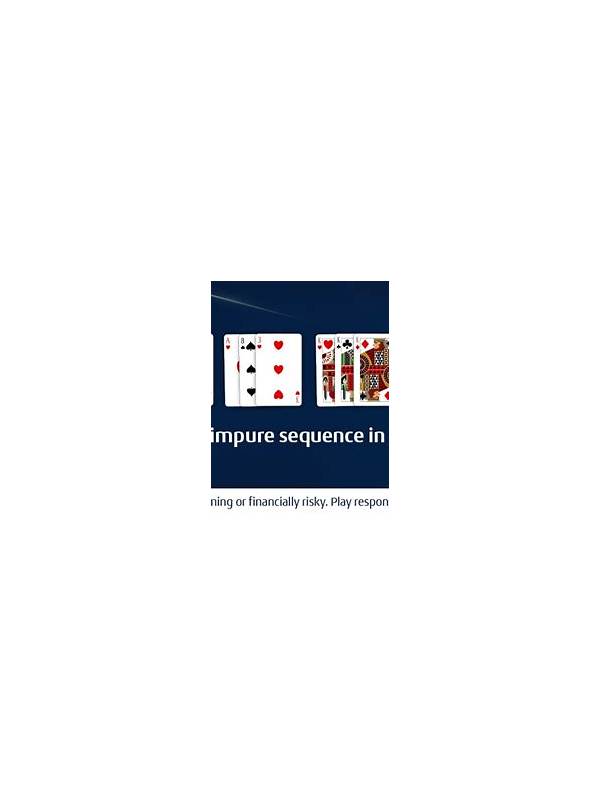
A promising rummy hand is rarely a finished plan. A card can belong to one sequence, support a second idea, or remain useful as a bridge between suits. Thinking in terms of sequence windows helps you avoid committing too early. A sequence window is a small range of cards that could become useful if one missing card arrives. For example, a six and eight of the same suit create a clear window around the seven, while a five, six, and nine create a less immediate but still visible connection.
Start by sorting cards by suit and noting every gap of one rank. Then mark the windows that need only one card and separate them from windows that need two. The first category deserves attention because it can close quickly. The second category is not useless, but it should not consume the whole hand. This simple distinction makes your choices more deliberate than merely keeping cards that look close together.
Next, count how many cards each window can accept. A middle pair usually has more possible connectors than an edge pair. A seven and nine may welcome an eight, while an ace and three may depend on a two under the rules of the format. A flexible window is valuable, but it is still only a possibility until the needed card appears. Keep a note of the discard cost if the window fails to improve after several turns.
When choosing between windows, prefer the plan that leaves a second useful card behind. If keeping a pair protects one idea but forces you to retain three unrelated high cards, the apparent connection may be expensive. Conversely, a modest window can be strong when the rest of the hand already contains a valid group. The goal is not to collect every possible connector; it is to keep the hand adaptable without carrying too much weight.
Review the windows after every meaningful draw. Remove a plan when its required card has become unlikely, when a stronger group appears, or when the hand needs a pure sequence first. This habit prevents yesterday’s idea from controlling today’s turn. By treating sequence windows as temporary options rather than promises, you can make cleaner discards and retain flexibility until the hand gives you better evidence. One practical exercise is to review a random hand and circle every one-card gap. For each circle, write the card that would help and one reason the idea might fail. Then choose which gap deserves attention first. This trains you to rank possibilities instead of treating every near-match as equally urgent, and it makes future decisions easier to explain when the draw does not cooperate.
Related Post
Rummy Safety FAQ: How Should Beginners Set Limits?
Beginners can use time, spending, and break limits to keep online rummy recreational and controlled. [...]
Rummy Guide: Use a Constraint Check Before Choosing a Discard
A short constraint check can make difficult rummy discards clearer without pretending every hand has [...]