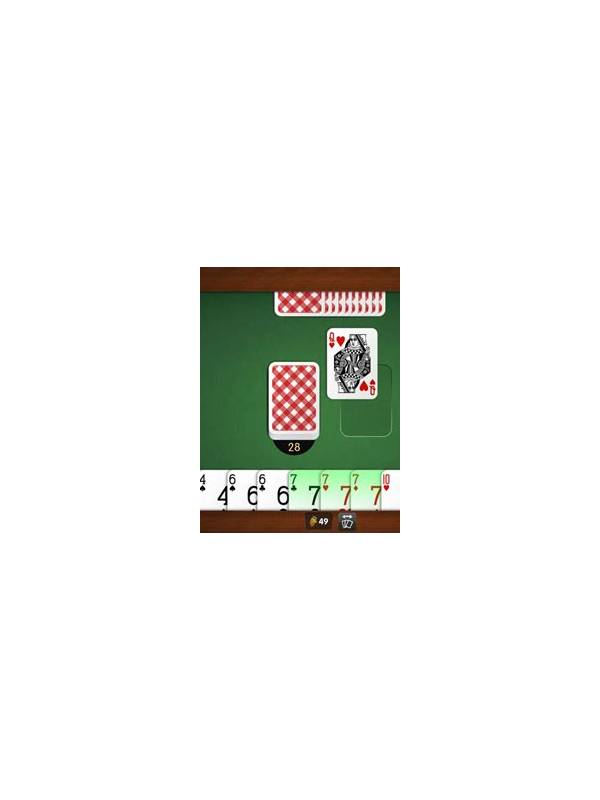
Rummy Safety FAQ: How Can You Protect a Shared Device?
Playing rummy on a shared device requires a little extra care. The main risks are not limited to the game itself: another user might see notifications, access an open account, or accidentally use saved payment information. A short safety routine can reduce those problems without requiring technical expertise.
Begin with account separation. Use the platform’s official sign-out option when you finish, especially if the device is used by family members or colleagues. Do not rely only on closing a browser tab. If the device supports separate user profiles, use the profile designed for your account and keep its screen lock private. Never leave one-time codes or account recovery messages visible.
Review saved information. Check whether the browser or device has stored passwords, autofill details, or payment methods. Remove information you do not want available to another user, following the device owner’s normal policy. Avoid typing credentials into pop-ups or links that arrive unexpectedly. Open the app or website through a trusted, previously verified path and inspect the account screen before making changes.
Control notifications. Lock-screen previews can expose usernames, balances, or messages. Adjust notification settings so sensitive details are hidden when the device is locked. If you are playing in a public or shared space, also confirm that screen sharing, casting, and recording features are not active without your knowledge.
If you suspect that another person accessed the account, stop using it until you can review official security settings. Change the password through the verified account page, sign out other sessions if the service provides that control, and contact official support through its published channel. Do not send passwords, payment numbers, or recovery codes to another player who offers help.
Shared-device safety is mostly about small interruptions: sign out, check previews, review autofill, and verify the page before entering information. These habits protect privacy and reduce accidental actions, whether you play for practice or for a social game.
If the device belongs to someone else, respect its security policy rather than installing unapproved privacy tools. When in doubt, use a browser’s private session for temporary access, then close it and sign out. Private browsing is not a substitute for account security, but it can reduce leftover history on a shared machine. Clear the session when finished and confirm that no account page remains open. These steps are especially important on public computers or borrowed devices used by many people every day.
Related Post

Rummy FAQ: Is a Low-Point Card Always Safe to Hold?
Low point value reduces penalty but does not automatically make a card strategically useful. [...]
Rummy FAQ: Why Can a Simple Hand Be Difficult?
A hand with few visible patterns can be difficult because uncertainty, timing, and legality still [...]