Rummy Learning Path: Move From Rules to Deliberate Practice
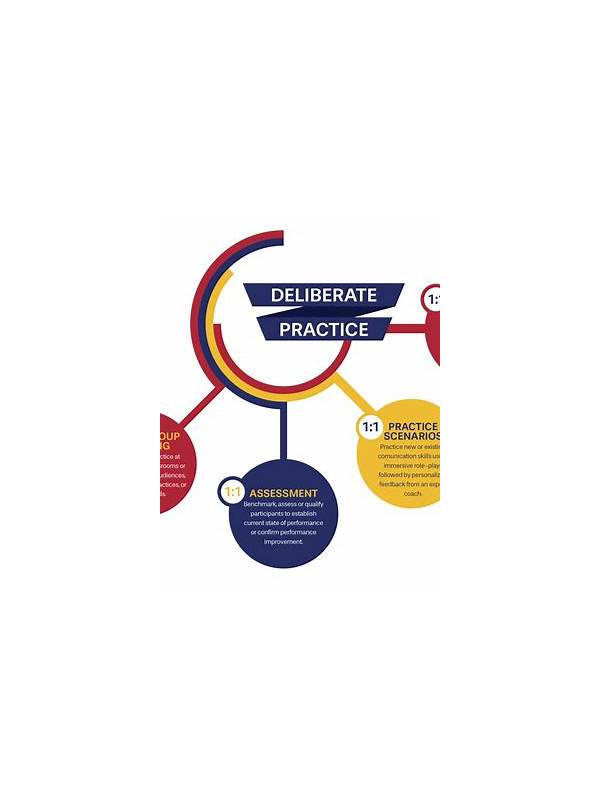
Choose a small success measure for each stage. For rules, explain declaration conditions in your own words. For grouping, sort a sample hand accurately. For practice, complete a short review without chasing another game. Move forward only when the earlier stage is understandable, not merely familiar. If live play creates confusion, return to practice and isolate one problem; learning is not a race toward higher intensity or higher stakes. Review progress weekly. Keep the goal narrow. Choose a small success measure for each stage. For rules, explain declaration conditions in your own words. For grouping, sort a sample hand accurately. For practice, complete a short review without chasing another game. Move forward only when the earlier stage is understandable, not merely familiar. If live play creates confusion, return to practice and isolate one problem; learning is not a race toward higher intensity.
Learning rummy is easier when each stage has one purpose. New players often mix rule memorization, strategy, speed, and live play into one demanding experience. A staged path builds confidence from clear foundations and keeps mistakes inexpensive.
Stage one is rules. Learn the hand size, valid sequences and sets, joker treatment, draw and discard order, declaration process, and scoring. Use an official explanation or a practice table. If a rule is unclear, stop and resolve it before trying to optimize a decision.
Stage two is visual grouping. Practise sorting cards by suit and rank. Identify completed groups, one-card gaps, pairs, and isolated cards. This exercise can be done with a standard deck or a no-cost practice mode. The target is accurate recognition, not speed.
Stage three is decision routine. Before each discard, state the card’s role, review scoring exposure, and check whether another card is less useful. Record one or two decisions after a short session. Focus on the process rather than the result, because chance can disguise both good and bad choices.
Stage four is table awareness. Add the timer, discard pile, turn order, and visible rules to your review. Keep observations modest and protect your own structure first. Only after these elements feel manageable should you consider faster tables or any paid format.
At every stage, keep a time and spending boundary. Learning does not require endless play, and a loss is not a reason to increase pressure. Progress means understanding more clearly and making decisions more consistently. A measured learning path supports both skill and responsible participation.
Related Post

Rummy FAQ: What Is a Decision Deadline?
A decision deadline tells a rummy player when to reassess a waiting plan instead of [...]
Rummy Comparison: Short Breaks Versus One Long Review
Short reviews after several rounds and one longer weekly review serve different learning needs. [...]