Rummy Card Roles: Assign a Job to Every Card
Many rummy errors begin when cards are treated as a collection rather than a set of decisions. A useful remedy is to give every card a temporary job. The role can change after each draw, but naming it makes your reasoning visible: foundation, connector, set candidate, joker partner, or discard candidate.
A foundation card belongs to a group that is already valuable and likely to remain useful. A pure sequence is the clearest foundation. Once you have one, avoid breaking it casually to chase a more ambitious arrangement. A foundation does not have to be complete; two adjacent cards in one suit may also be a strong developing base.
A connector is a card that can join more than one plausible sequence. Middle ranks often play this role because they have neighbors on both sides. However, flexibility is not infinite. If a connector is being held with no supporting card, it may be less useful than it appears. Reassess it after every few turns.
A set candidate shares a rank with another card. Keep the candidate when the set needs only one reasonable addition and does not interfere with a stronger sequence. If the same card could support a pure sequence, compare the two plans rather than assuming the pair should win.
A joker partner is a card that can become useful when a wild card fills a gap. Jokers are valuable because they can repair structure, but a joker does not automatically justify keeping every awkward card nearby. Ask whether the resulting group would be valid and whether a pure sequence still exists elsewhere.
The final role is discard candidate. This is not a permanent label or a judgment about the card’s rank. It means the card currently contributes less than the alternatives. A high card with no connection is often a candidate, but a low card that blocks a strong plan can also be released.
After drawing, update the roles before choosing a discard. The exercise takes only a few seconds and reduces emotional attachment to cards that once looked promising. It also creates a useful review record: you can later ask whether the role was based on visible evidence or wishful thinking. The best role system is simple enough to use consistently and flexible enough to change as the hand develops.
Related Post
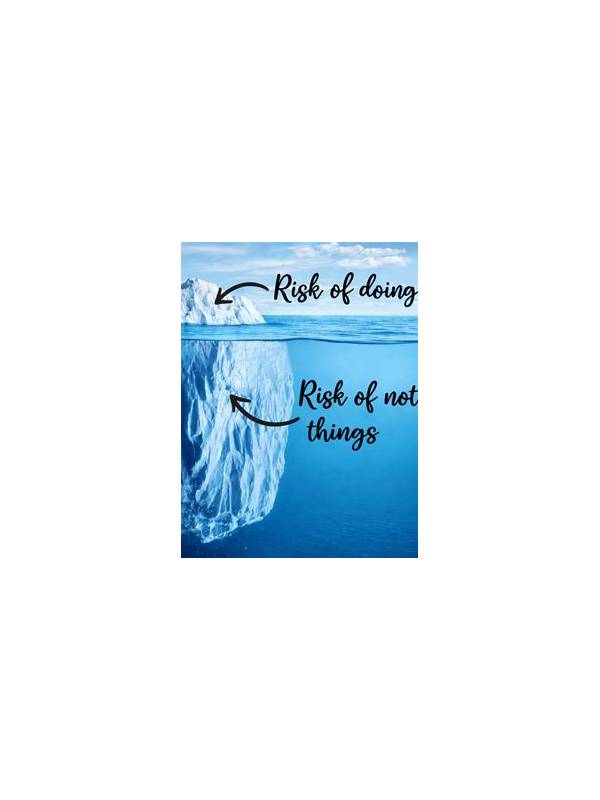
Rummy Comparison: Visible Risk and Hidden Risk
Separating visible risk from hidden risk helps rummy players avoid treating uncertainty as safety. [...]
Rummy Draw Choices: When the Discard Pile Is Worth Considering
Rummy Draw Choices: When the Discard Pile Is Worth Considering offers practical guidance for clearer, [...]