Rummy Table Notes: Record Decisions Without Slowing Play
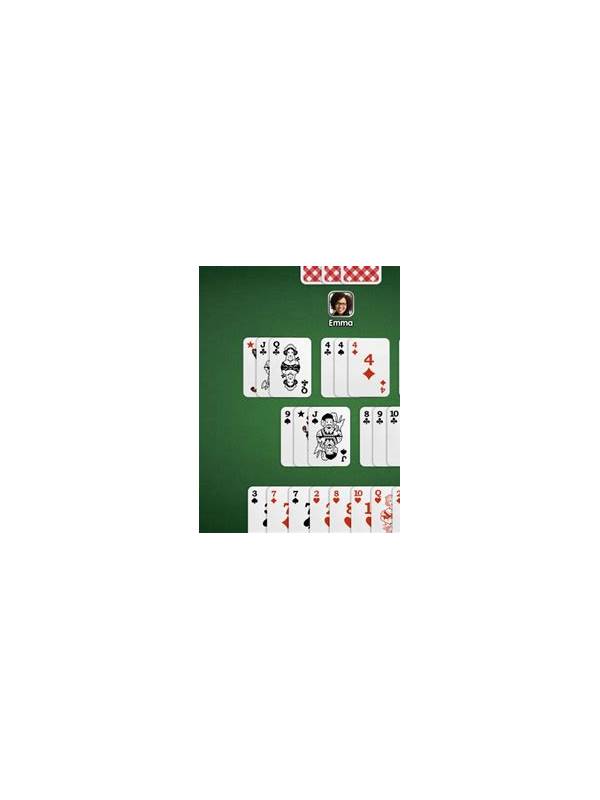
Notes are most useful when they preserve a decision, not every detail of a game. Trying to write down every draw can interrupt concentration and create a second task. A compact table note should capture the situation, the choice, and the reason in a few words.
Before a session, choose one learning question. Examples include “Did I protect my pure sequence?” or “Did I discard because of evidence or impatience?” One question is enough. It gives your notes a purpose and prevents a long list of observations that you never review.
During play, record only notable moments. A short line such as “turn 4: kept connected middle cards; released isolated queen” is sufficient. If the app or table does not allow notes during a game, use a letter or symbol after the hand. A star can mark a confident decision, while a question mark can mark a choice you want to revisit.
Include context where it changes interpretation. A discard made with the timer nearly finished is different from one made with plenty of time. A card chosen from the open pile also provides different information from a closed-pile draw. The aim is not to create a perfect transcript; it is to remember why the decision felt reasonable at the time.
After the session, review three entries at most. For each one, separate outcome from process. A discarded card may later have completed an opponent’s group, but that does not automatically make the discard wrong. Ask what information was available, what alternatives existed, and whether the choice matched your stated learning question.
Keep a consistent format so comparisons are easy. Date, variant, learning question, two or three decisions, and one lesson fit on a small page. Avoid recording account details, payment information, or other sensitive data in a general notebook. If notes are stored digitally, protect the file like any other personal record.
Good notes make future practice deliberate. They show recurring habits, such as holding high cards too long or abandoning a plan too late. Once a pattern appears, choose one small adjustment for the next session. That cycle—observe, review, adjust—is more valuable than collecting pages of unexamined game history.
Keep the note short enough that you will actually use it. A durable habit of recording one meaningful decision is better than an elaborate system abandoned after a single hand.
Related Post
Rummy Guide: Use a Route Map for Set Building
A route map shows how a possible set could develop while keeping alternatives visible. [...]
Rummy Comparison: One Discard Rule or a Short Decision Tree
A fixed discard rule is fast, while a short decision tree adapts better to changing [...]