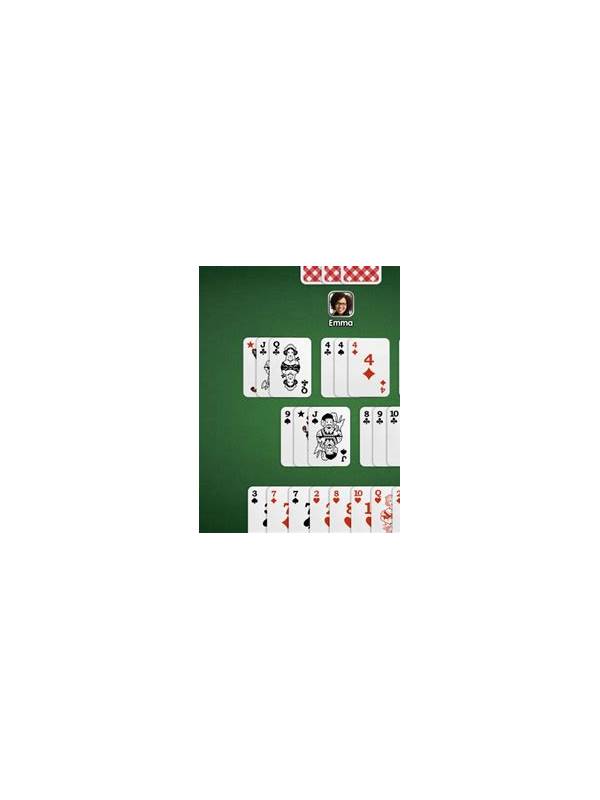
Rummy Practice: Try a Blind Sorting Drill

You can practice rummy decision-making without entering a live table. A blind sorting drill asks you to classify a hand before you search for your favorite sequence. It trains attention to evidence, alternatives, and the cost of early commitment.
Use a random legal hand from a deck or a practice feature. For the first thirty seconds, do not arrange cards by suit or rank. Instead, label each card mentally as connected, potentially connected, duplicated, or isolated. The labels are temporary; their purpose is to prevent the first visible pair from controlling your whole plan.
Now sort the hand in one way only, such as by suit. Identify every possible sequence and set, but do not select a final arrangement. Write down the two strongest routes and one route that looks attractive but is probably too narrow. Explaining why the narrow route is risky is more useful than simply rejecting it.
Next, perform a forced discard exercise. Choose the card you would discard, then name the best and worst plausible replacement. If the best replacement is very specific, describe the fallback plan. If the worst replacement would leave a high card stranded, ask whether discarding something else would reduce that risk.
Repeat the drill with the same hand, but this time sort by rank first. The purpose is not to find a different answer every time. It is to notice which facts remain stable and which conclusions were caused by presentation. Strong routes usually survive a change in viewing order.
For an advanced version, cover three cards and treat them as unknown draws. Reassess the hand after revealing one card at a time. Say aloud what changed: a route completed, a connector lost flexibility, or a fallback became cheaper. This develops the habit of updating rather than defending the original plan.
Score the exercise on process. Give one point for identifying a legal sequence, one for naming a fallback, one for spotting an expensive isolated card, and one for changing your plan when new evidence warrants it. Do not award points for guessing the eventual winner because the drill is about decisions, not fortune.
Keep sessions short and repeat them with different hands. A few careful drills can build more useful awareness than rushing through many simulated games. Blind sorting teaches you to inspect the hand before the pattern tells you what you want to see. Do not turn the drill into rigid rules: middle cards and isolated high cards still need to be judged in context.
Related Post

Rummy Tips: Compare Cards by Their Next Useful Job
Looking at a card’s next useful job can make close discard decisions easier to explain [...]
Rummy How-To: Plan Around an Opponent’s Pickup
An opponent’s visible pickup is useful information when it changes how you value related cards [...]