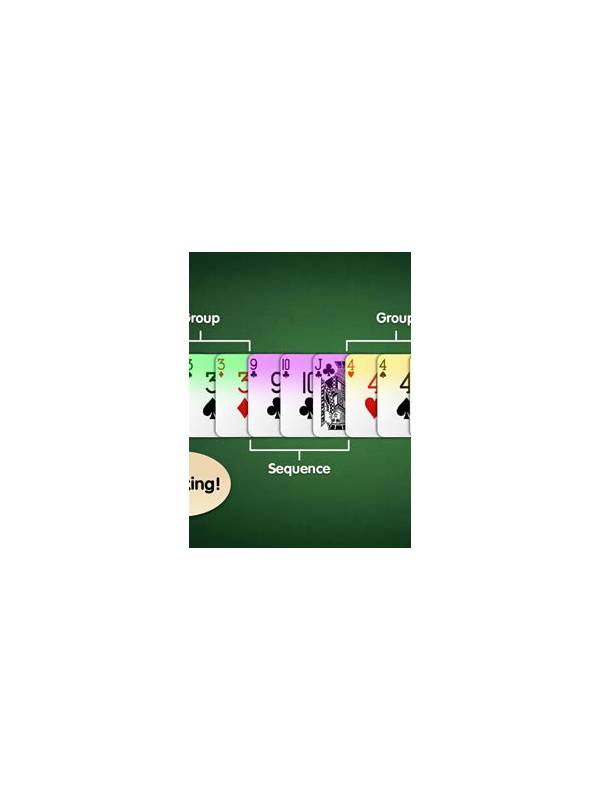
Rummy Guide: Set an Endgame Threshold for Loose Cards

Many players keep exploring possibilities long after the hand requires commitment. An endgame threshold is a simple rule that marks the point where you stop collecting attractive ideas and focus on reducing the number of cards outside complete or nearly complete groups.
Choose a threshold that fits the format and hand size. It might be a certain number of turns remaining, a small number of loose cards, or the appearance of a second viable sequence. The exact number is less important than deciding in advance what evidence will change your behavior.
Before the threshold, preserve useful flexibility. Keep connectors with several routes, compare the discard pile, and avoid locking a card into a group merely because it looks tidy. After the threshold, ask a stricter question: which move gives me the clearest legal finish or the lowest likely penalty if the finish does not arrive?
A threshold should not make you ignore a necessary pure sequence or other format requirement. List the requirements first. If your hand lacks a mandatory structure, that gap may outrank a nearly complete optional group. A beautiful set cannot compensate for a missing rule condition.
Watch for false endgames. A hand may look close because many cards are paired, while none form a legal sequence. Count actual completion routes, not just visual order. A group that needs one exact card is less secure than a group with two reasonable continuations.
Use a deadline for narrow plans. If you are waiting on one specific rank, decide how many draws you will allow before releasing the cards involved. This prevents sunk-cost thinking. The fact that you have held a plan for several turns does not make it more likely to work.
When the threshold arrives, rearrange the whole hand. Do not improve only the last card drawn. A new card can make an older route inferior, and a discarded connector may no longer deserve protection. The endgame is a fresh comparison under tighter time and risk constraints.
Afterward, review whether your threshold triggered too early or too late. Adjust the rule based on evidence from several hands, not one lucky or unlucky result. A useful threshold turns vague urgency into a repeatable decision: explore while options have value, then commit when completion and penalty reduction matter more. When it triggers, pause for one full rearrangement instead of continuing the previous plan automatically. This reset is brief, but it creates a deliberate break between exploration and commitment.
Related Post
Rummy Tips: Use a One-Miss Review After Each Draw
A one-miss review shows how a rummy hand can recover without requiring a perfect next [...]
Rummy How-To: Rebuild a Hand After a Missed Draw
A missed draw is a signal to reassess the hand, not a reason to keep [...]