Rummy Guide: Review a Hand Without Outcome Bias
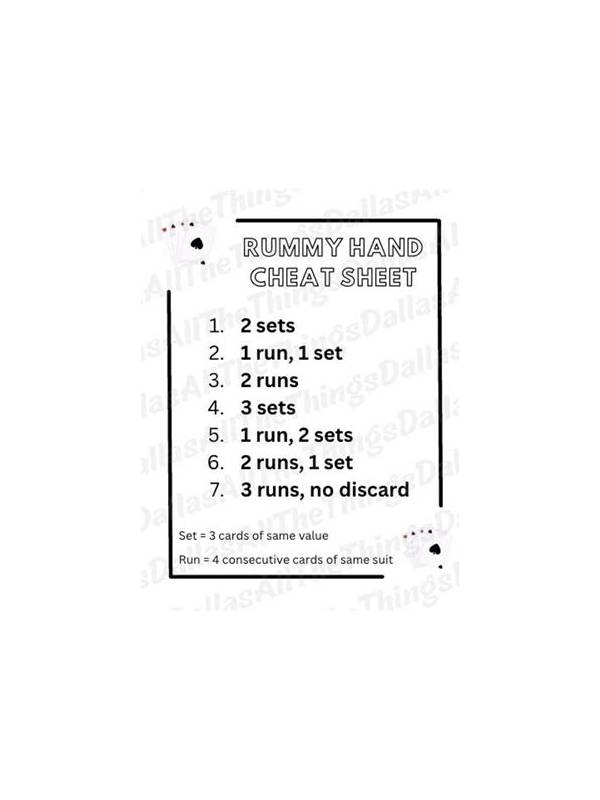
Winning can hide a weak decision, and losing can make a sound decision feel foolish. Outcome bias appears when you judge the choice mainly by what happened afterward. A short, process-based review gives you better information for the next hand.
Reconstruct only the important moments. Note the opening plan, the first major discard, the point where you changed routes, and the final decision. You do not need a full transcript. The aim is to identify moments where new evidence should have changed your plan or where your plan was reasonable given what you knew.
For each moment, separate facts from hindsight. Ask what cards were visible then, what groups were legal, how many useful draws existed, and what penalty the alternative carried. Do not include information that was revealed later when judging the earlier decision. Future knowledge belongs in a separate learning note.
Score the process with four questions. Did the move respect the format’s requirements? Did it reduce risk or preserve a useful route? Did it account for timing? Did it have a fallback if the preferred draw failed? A move can receive a good process score even if the next card was unhelpful.
Look for repeated patterns across several hands. One unlucky draw does not prove that a route is bad. Several reviews may show that you commit too early to narrow waits, protect high cards too long, or ignore the cost of changing plans. Repetition is stronger evidence than a single dramatic result.
Write one adjustment, not ten. For example, “Set a deadline for a one-rank wait,” or “Check the mandatory sequence before preserving a set.” A specific adjustment is easier to remember and test. At the next session, observe whether you followed it and whether it improved the clarity of your choices.
Keep the review separate from self-criticism. The purpose is to improve observation and decision quality, not to assign blame. A calm review treats the result as one data point and the process as the skill you can control. Over time, that distinction makes both wins and losses more useful. Mark each conclusion clear, uncertain, or dependent on missing information so that you do not force a lesson where none exists. That distinction is valuable because missing information is not proof that the decision was poor. Review what was available, identify one change for next time, and then leave the hand behind rather than replaying it indefinitely.
Related Post
Rummy Guide: Read the Discard Pile as a Changing Signal
Learn how to interpret a discard pile without assuming every visible card reveals a complete [...]
Rummy FAQ: What Is the Cost of Keeping a Second Joker?
A second joker can add flexibility, but its value should be weighed against space, structure, [...]