Rummy Hand Reading: A Quiet Method for Tracking Useful Cards
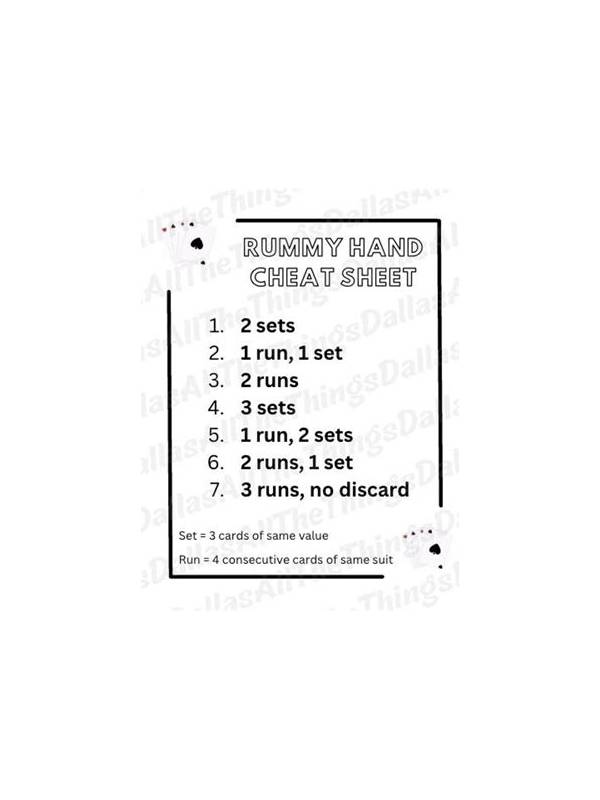
Hand reading in rummy is less about guessing an opponent’s exact cards and more about noticing which possibilities are becoming less likely. A calm method helps you make better discards while keeping your own hand flexible.
Start with visible information
At the beginning of a round, note the cards in your hand and the first few cards discarded. Do not attempt to memorize every card. Instead, watch for repeated ranks, suits that appear often, and cards that players quickly ignore. The discard pile is public information, so it can support a small, useful picture of the table.
For example, if several cards from one suit have already appeared, a sequence in that suit may be harder to complete. That does not make it impossible, but it lowers the value of waiting on a narrow draw. Conversely, a rank that has not appeared may still offer several unseen connections, though you should not treat absence as proof that a card is available.
Use categories instead of exact guesses
Sort observations into three categories: cards that are clearly unwanted by you, cards that are useful to several possible hands, and cards that seem likely to help an opponent. The third category deserves caution. A discard may look harmless because it does not help your plan, yet it may connect naturally with a sequence another player is building.
This is a probability habit, not a mind-reading contest. Ask, “How many reasonable uses does this card have?” A middle card often has more sequence connections than an edge card. A high-value card that sits alone may be worth releasing before a flexible middle card, especially when the latter can join more than one group.
Recheck after every public card
The table changes after each draw and discard. Update your categories briefly instead of clinging to an earlier theory. If a card you wanted is discarded, decide whether the remaining plan still has enough outs. If two neighboring cards appear, a formerly weak connection may become more attractive.
Keep your own hand organized so your attention remains available for this review. A short pause before discarding is enough: identify your best structure, identify the weakest card, then consider whether the discard gives an obvious connection to someone else.
Good hand reading creates discipline, not certainty. You will still miss cards and lose rounds. The goal is to make decisions from visible evidence, reduce avoidable gifts, and abandon a narrow idea when the table no longer supports it.
Related Post
Rummy Comparison: Local Improvement Versus Whole-Hand Improvement
Completing one small group is not always better than making the entire hand easier to [...]
Rummy How-To: Build a Card-Relationship Map
A card-relationship map shows how a rummy hand’s cards connect, compete, and change after each [...]