How to Use a Rummy Hand Diagram to Explain Every Turn
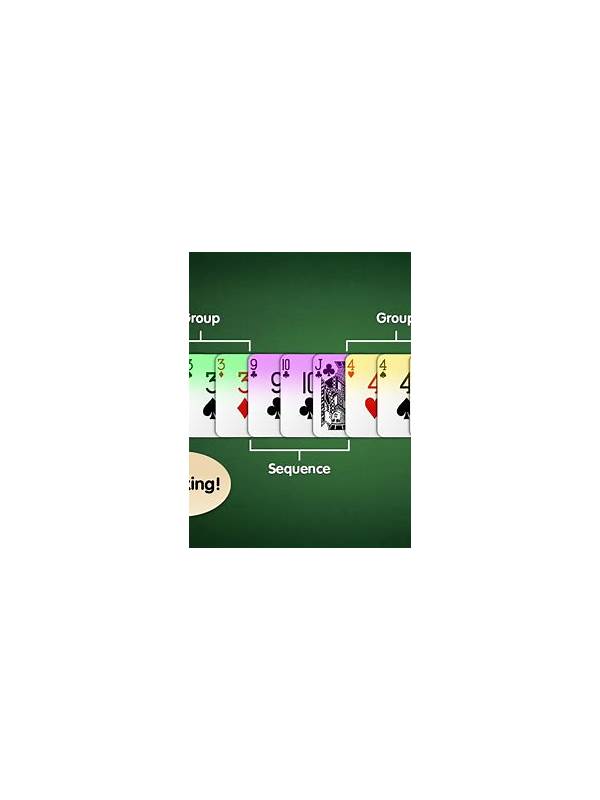
Explaining a rummy hand is difficult when the cards exist only in memory. A quick hand diagram turns a fast-moving game into a sequence of visible decisions. You do not need special software or artistic skill. A row of card abbreviations, a few arrows, and short notes are enough to show what you held, what you drew, and why you discarded.
Start by recording the opening hand in suit order. Use a compact notation such as 4H for four of hearts, or write the full card names if that feels clearer. Separate possible groups with spaces, but do not treat the groups as final. For example, `4H 5H 9H | 7C 8C | QS KD AS` shows a few promising connections without claiming that the hand has already been solved. Mark a joker with J and note whether it is printed or wild when the distinction matters.
Next, draw three simple areas: hand, draw source, and discard. After every turn, add the new card to the hand and cross out the discarded card. An arrow from the draw source to the hand records where the card came from. This matters because picking from the open pile reveals information and may carry a different strategic cost from drawing blind. Keep each turn on a new line so the order remains obvious.
Add a decision label beside the discard. Useful labels include “isolated,” “duplicate,” “blocks two plans,” and “keeps a live connector.” These labels force you to describe the reason rather than merely recording the result. If you changed your plan, write “reassessed after draw” instead of pretending the original plan was always correct.
For a teaching example, circle the first pure sequence you noticed, underline a card supporting a second sequence, and put a question mark beside a tempting but expensive hold. The diagram should show alternatives, not just the winning line. A short note such as “Keeping the king preserves one possibility but leaves two high cards” is more useful than “bad move.”
Review the diagram after the hand ends. Look for three things: cards held too long without improving, draws that were ignored because of an early plan, and discards that accidentally gave the next player a useful signal. Do not judge the decision only by whether the hand won. A sound choice can lose, and a lucky draw can rescue a weak choice.
Finally, keep diagrams short. Record the opening hand, meaningful changes, and final declaration check. Over-documenting every thought can become another distraction. Used consistently, a hand diagram becomes a small, objective record that helps you explain rummy to a friend, compare two lines, and build better habits without relying on vague memories.
Related Post

Rummy FAQ: What Does a Card’s Opportunity Cost Mean?
Learn how to judge what you give up when keeping one useful card instead of [...]
Rummy Comparison: Exact Odds and Practical Ranges
Exact odds and practical ranges answer different questions when you evaluate an uncertain rummy draw. [...]