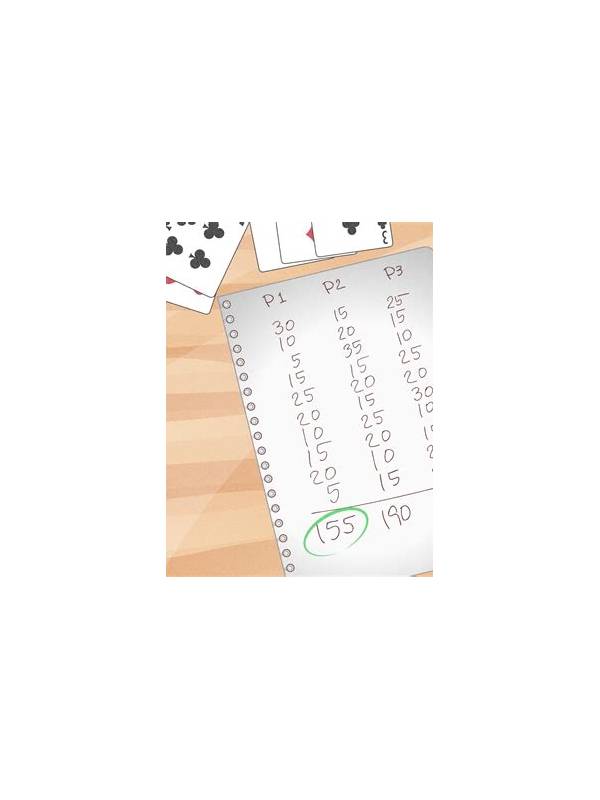
Rummy Card Sleeves and Storage: Keep a Deck Consistent
A marked, bent, or mixed deck can create confusion before a rummy hand even begins. Good storage does not improve the odds of a draw, but it protects the quality of practice and helps players trust that every card is being handled in the same way.
Use a rigid box that fits the deck without crushing its edges. Avoid leaving cards loose in a bag or under heavy books, where corners can curl. Store the deck flat in a dry place away from direct sunlight. Heat and moisture can warp cards, make sleeves stick, and change how cards slide during a deal. If you travel with the deck, place it in a compartment where it will not rub against keys or other objects.
Sleeves can be useful for groups that play often, especially when the deck is shared by many people. Choose sleeves of the same size and finish for every card. Mixing glossy and matte sleeves can make some cards easier to recognize from reflections or handling, which undermines a fair game. Replace damaged sleeves in a complete, consistent set rather than adding one sleeve with a different back or texture.
Before a session, inspect the deck for duplicates, missing cards, bent corners, and cards from another pack. Count the deck according to the chosen variant. Deal a few test cards and check that all backs look alike. If a card is visibly damaged, remove it from play and tell everyone why. Do not secretly substitute a card after the game has started.
Keep jokers and reference cards separate if the variant does not use them. A small divider or labeled compartment prevents accidental inclusion. When several decks are used for different games, write a neutral label on the box, never on individual cards.
After play, collect cards face down and shuffle them according to a method the group accepts. Do not bend or riffle a deck if it damages the cards. Consistent storage and handling make the physical environment predictable, leaving players free to focus on legal groups, timing, and clear decisions.
Clean cards carefully. For ordinary dirt, follow the manufacturer’s instructions for the deck or replace the affected cards; soaking or aggressive rubbing can create a texture difference. Never mark a card to identify its contents. The purpose of maintenance is to make the deck uniform, not to give any player an extra source of information. Keep a spare complete deck available for a home game, but do not swap decks silently during a round. Announce the change, inspect the replacement with the group, and restart according to the agreed procedure if the state is uncertain. Transparent handling matters more than preserving a particular hand when the equipment is no longer trustworthy.
Related Post
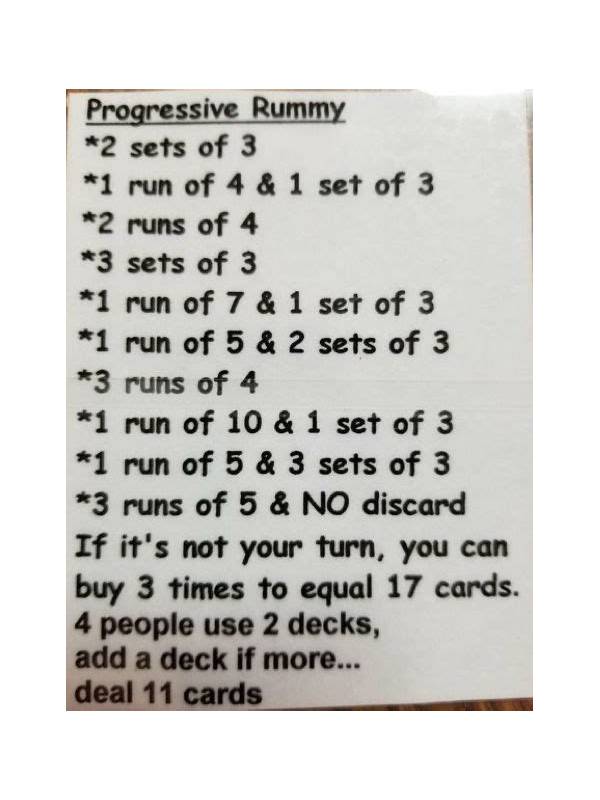
Rummy Tips: Label Cards by Commitment Level
Commitment labels show which rummy cards are protected, provisional, or ready to release as the [...]
Rummy Safety: Make a Plan for Disputed Results
A calm evidence checklist can make it easier to resolve a scoring or technical dispute [...]