Rummy Home Game Hosting: A Fair Start for Every Player

Hosting a home rummy game involves more than providing a deck and a table. Players need to know the variant, scoring method, turn order, and house decisions before cards are dealt. A short, neutral briefing prevents disagreements later and helps new players participate without feeling rushed.
Begin by choosing one rules reference for the evening. Explain the number of cards, the objective, how sequences and sets are treated, and how a round ends. If the group uses a local variation, say exactly what changes. Do not rely on a name alone, because the same format label can mean different details in different groups. Invite questions before the first hand and repeat only the points that affect decisions.
Prepare the playing area so everyone can see the draw and discard piles. Keep cards away from drinks, phones, and loose objects. Decide where completed groups will be placed if players display them during practice. If scores are recorded, show the sheet to everyone after each round. A visible process builds trust and makes it easier to correct an arithmetic error immediately.
Agree on turn procedure. State whether a player must draw before discarding, whether the discard pile may be inspected, and what happens if someone touches the wrong card. For a friendly game, choose a simple correction rule before an accident occurs. For example, a card moved but not revealed can be returned, while a revealed card may stay visible for the round. The exact rule matters less than applying it consistently.
Set a comfortable pace. New players may need an extra moment to sort their hand, but the host should avoid coaching a move during another player’s turn. Offer a practice hand with no score if the group includes beginners. During scored rounds, answer rules questions without recommending which card to keep.
At the end, settle scores together and ask whether any rule felt unclear. Record the agreed variant for the next meeting. Good hosting keeps the focus on decisions, conversation, and fair information rather than on arguments about procedure. Before dealing, confirm that everyone has heard the same explanation. Ask one neutral question, such as which pile is face up, and clarify it for the whole table. This avoids giving one player private coaching and gives beginners permission to ask. A few minutes of preparation usually saves more time than correcting a misunderstanding after several rounds. Write the agreed variant on the score sheet before play begins so late arrivals receive the same explanation.
Related Post
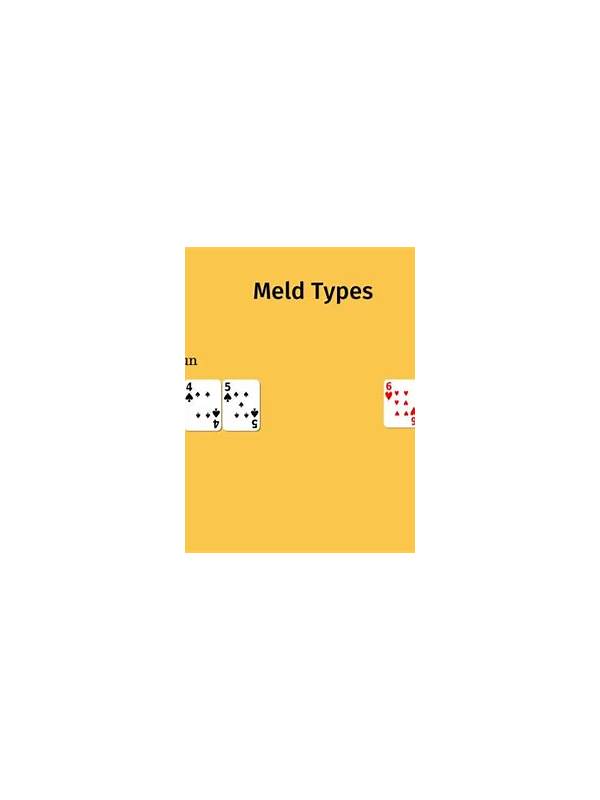
Rummy Tips: Test a Candidate Meld by Removing It
Temporarily taking a proposed group out of the hand can reveal hidden dependencies before you [...]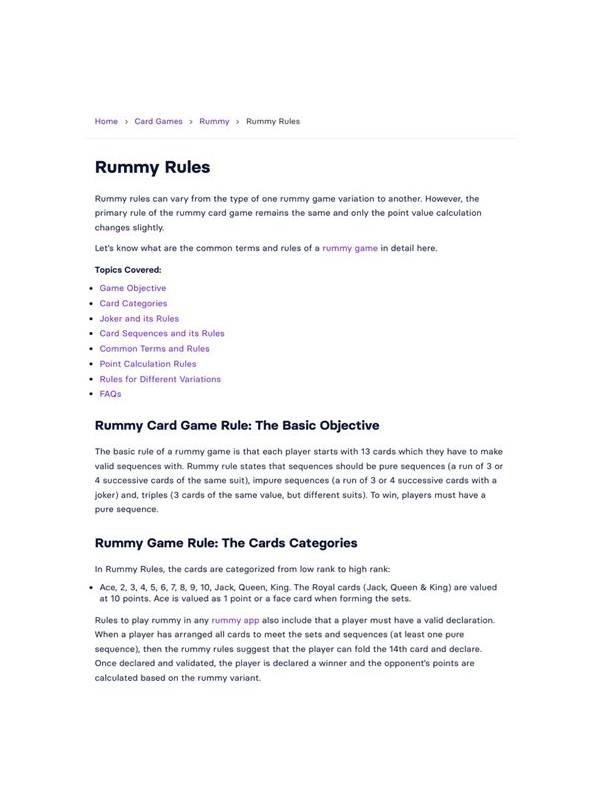
How to Read Rummy Game Rules Before Joining a Table
A focused rules review helps players understand entry, scoring, timing, and withdrawal conditions before play. [...]