Choosing Between a Safe Discard and a Fast Draw
Many rummy turns offer an uncomfortable choice: discard a card that looks safe but leaves a slow hand, or release a potentially useful card and draw toward a faster plan. There is no universal answer, yet a repeatable comparison makes the decision clearer.
First measure the distance to a valid structure. A card that completes a pure sequence is worth more than one that merely joins a pair. Count how many cards would improve each candidate group, and consider whether those cards are still plausibly available. A hand with two nearly complete sequences may need patience; a hand with scattered high cards may need a prompt reset.
Then measure exposure. A discard is not safe simply because it does not help you. It may complete an opponent’s sequence, strengthen a set, or confirm a pattern they have been collecting. Visible discards can offer clues, but they cannot reveal every hidden card. Use them to lower risk, not to claim certainty.
The game stage changes the balance. Early in a hand, preserving flexible connectors can be sensible because several routes remain open. Later, a near-complete hand may justify a more direct discard, especially if reducing penalty points matters. Conversely, if an opponent appears close to declaring, avoiding an obvious useful card becomes more important.
Try a three-question pause. What does this discard improve for me? What is the most plausible improvement it offers someone else? If I do not draw the hoped-for card soon, what is my next plan? If your proposed draw has only one narrow outcome and the discard has a clear danger, choose the safer route. If your hand has no credible route without a calculated risk, accept the uncertainty deliberately.
Keep stakes separate from analysis. A risky draw made to rescue a comfortable practice hand is different from one made because you are trying to recover a loss. Set limits before playing, and stop when they are reached. Tactical balance is useful only when the surrounding decision is calm enough to follow it.
After the hand, record the alternatives you considered. This makes the choice testable: you can ask whether the safe discard really had a lower cost, or whether the fast draw was only an emotional reaction. A short review is more useful than replaying the same moment while trying to change the result.
Related Post
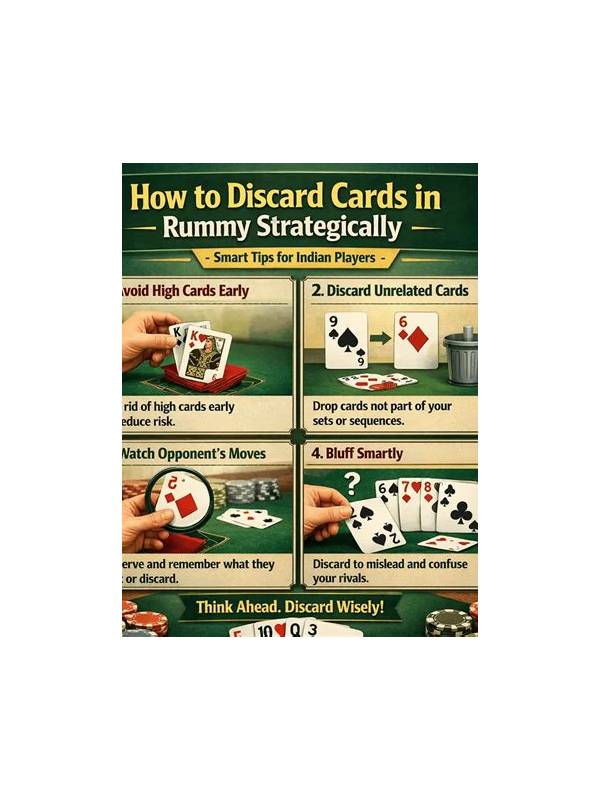
Rummy Strategy: Build a Discard Ladder
Ranking likely discards in advance makes difficult turns easier to handle. [...]
Rummy Guide: Measure Improvement by Decision Quality
A simple review method helps rummy players track better decisions instead of relying only on [...]