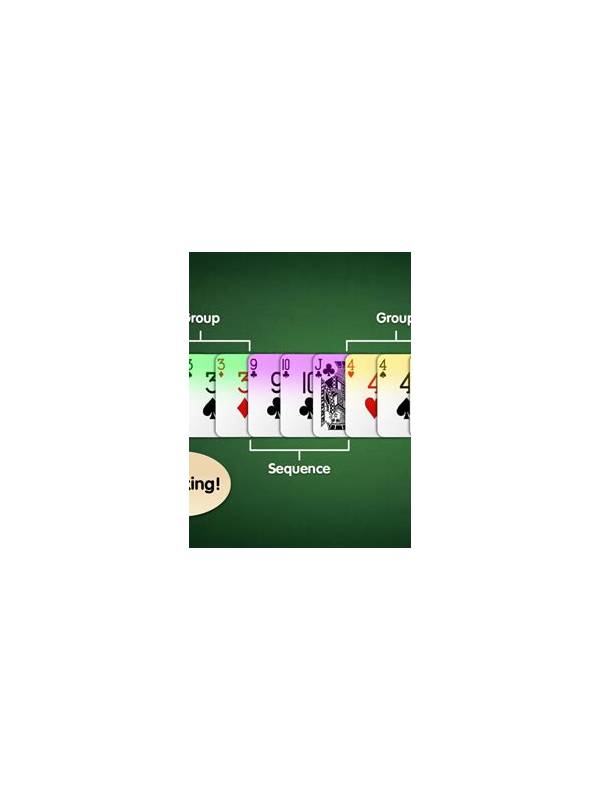
Rummy Guide: Use Turn Position to Pace a Decision

The same hand can deserve different treatment early and late in a round. Turn position does not change the rules, but it changes how much time remains for an uncertain plan to improve. Using it as a pacing cue can make decisions more consistent.
Early in the hand, prioritize information. You can often hold a flexible connector for a little longer because several draws remain. This does not mean keeping every possibility. It means comparing routes before discarding a card that could serve multiple purposes. Make a note of the narrowest plan so it does not quietly consume the whole round.
In the middle, measure progress. Count turns since the primary route received meaningful help, not merely since it was imagined. If a pair has stayed a pair while other cards form stronger groups, its priority should fall. Use a checkpoint to decide whether to continue, switch, or simplify the hand.
Late in the hand, value certainty and legality. A broad route may still be attractive, but there may not be enough turns to wait for it. Recheck the required pure sequence, valid sets, and any declaration conditions. A card that looks close to useful is not a completed group. When time is short, reduce speculative branches and verify what can actually be declared.
Also consider your place in the turn order and the visible pace of the table, without assuming that another player’s speed reveals their hand. If a timer is running, read the interface carefully and use only the time available. Do not let an opponent’s quick action cause you to make an unverified declaration.
A useful routine is “position, progress, proof.” First identify where you are in the round. Then ask which route has improved. Finally, prove that the intended groups satisfy the rules. This three-part check is brief enough for live play and flexible enough for practice. Turn position is a context signal, not a prediction of the outcome; use it to pace your review, not to justify a desperate choice.
Practice this pacing with the same sample hand at three stages: early, middle, and late. Write the preferred action each time. If the answer never changes, check whether you are considering timing at all. If it changes, record the evidence that caused the switch. Waiting should become less attractive as the available time shrinks.
In a review, distinguish what you knew from what you learned later. Public cards, table messages, and the rules page are evidence only when they were visible before the choice. This habit keeps practice fair and makes the lesson transferable. A compact note about the decision, the available alternatives, and the next checkpoint is enough to guide the next session without turning a single hand into a fixed rule.
Related Post

Rummy Tips: Protect Your Attention During Long Sessions
Simple attention habits can reduce rushed choices and help a rummy session remain deliberate. [...]
Rummy Safety: Separate Game Advice From Account Requests
Recognizing the difference between normal gameplay help and sensitive account requests reduces avoidable fraud risk. [...]