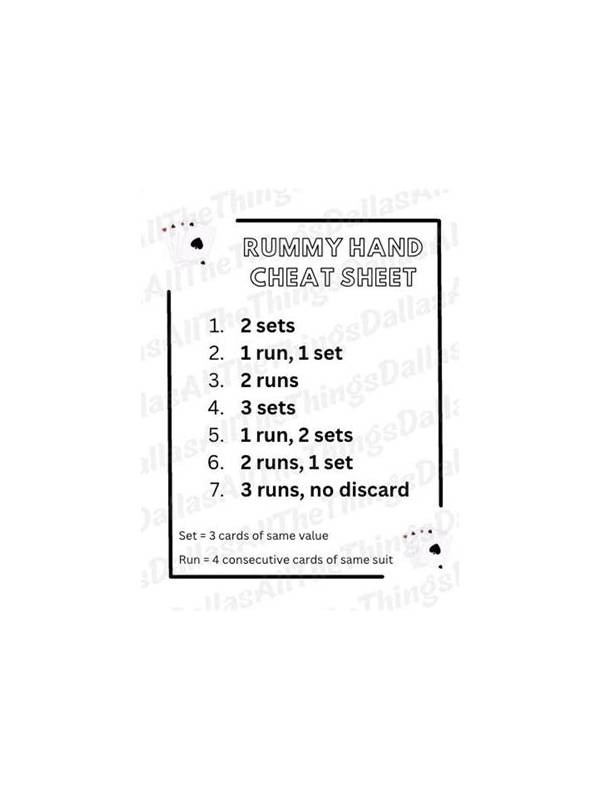
How to Match Your Rummy Pace to the Table
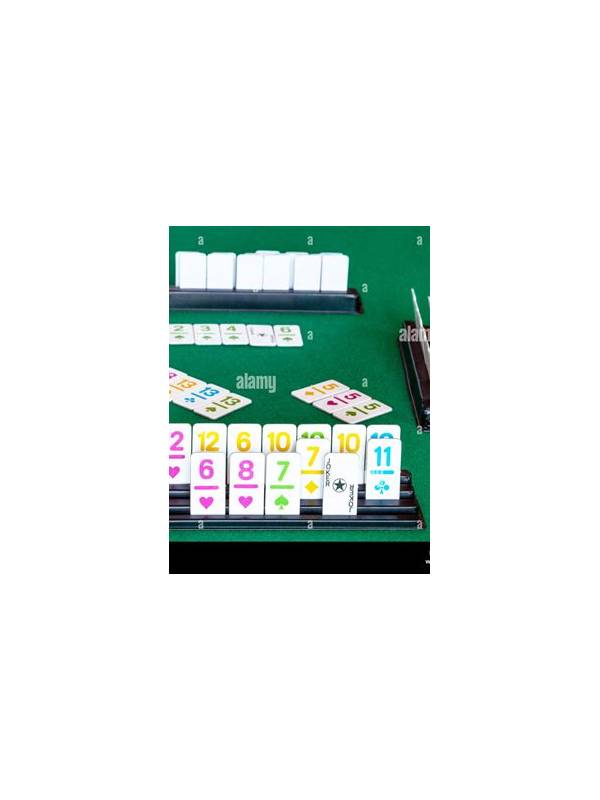
Table pace is the rhythm created by draws, pickups, discards, and declarations. A fast table can make you rush, while a slow table can tempt you to hold a weak plan too long. Matching pace does not mean copying opponents; it means adjusting the time horizon of your decisions.
In the opening, keep your pace deliberate. Sort the hand, identify any required sequence, and compare two or three plausible structures. A quick discard is not valuable if it breaks a strong connection or reveals an unnecessary clue. Early patience gives you better information for later turns.
In the middle, use the table’s activity as a timing signal. Repeated pickups and rapidly shrinking hands may indicate that others are finding useful connections. You do not need to panic, but you should set firmer deadlines for narrow draws and avoid offering obvious missing links.
In a quiet middle game, preserve flexibility. A slow table may mean that no one has found a clear route, or it may simply reflect cautious players. Keep a modest plan with several outs instead of inventing urgency from silence. Your own hand structure remains more reliable than the mood of the table.
In the endgame, speed has a different meaning. A fast decision should be a checked decision, not an impulsive one. Confirm that groups are legal, estimate the cost of ungrouped cards, and choose the discard that does the least damage. If the interface gives a declaration prompt, read it carefully before confirming.
Use a personal pause rule when the table becomes distracting. Take one breath, name the card you need to draw or release, and ask whether the move improves legality or only appearance. This short reset protects you from both hurry and hesitation.
The best pace is responsive. Slow down for structural uncertainty, speed up when the choice is clear, and let the format’s score pressure guide risk. A calm player can adapt to a fast table without becoming hurried.
Do not measure pace by the number of seconds alone. A familiar, legal choice may take little time, while an unusual rearrangement deserves a full check even if everyone else is acting quickly. If the table’s tempo is making you miss details, use the pause rule and accept that a small delay is preferable to an avoidable invalid declaration. Consistent accuracy is a better pace target than speed for its own sake. Accuracy keeps the session calmer too.
Related Post
Rummy How-To: Review a Hand Without Replaying Every Turn
A three-moment review captures the most useful lessons without exhausting the player. [...]
Rummy FAQ: What Makes a Discard Safe Enough?
Safety is a practical estimate, so use several signals before releasing a card in rummy. [...]