Rummy Guide: Treat the Last Draw as a New Hand
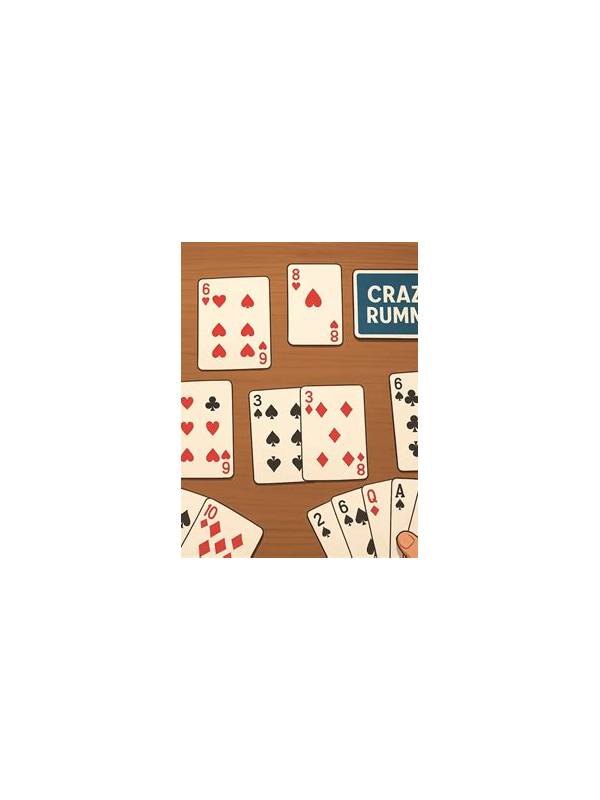
The last draw can change more than one card. It can complete a group, make a route redundant, or expose that the previous plan no longer fits. Treating the hand as a small new position after that draw is a useful reset. You are not literally starting over; you are updating the facts before choosing the next discard.
Recount the requirements
First, confirm what the hand still needs under the active variant. Count valid groups and identify any required pure structure. Do not rely on the excitement of a useful card. A draw that improves one sequence may leave the main requirement untouched.
Re-sort by role
Place completed groups together, then separate unfinished routes and loose cards. Ask whether the new card has replaced an older card’s job. If two cards now perform the same function, one may be a strong discard candidate. If the draw created a new route, compare it with the route you were already pursuing.
Recheck the finish distance
Estimate how many meaningful improvements each route needs. A plan that was one card away may now be complete, while another that looked promising may still need several specific cards. Also inspect penalty exposure. A completed group can make a high singleton more noticeable and more urgent to release.
Confirm before declaring
Near the end of a hand, slow down for a rules check. Verify that each group is valid, that cards are not being reused, and that any joker use follows the table’s rules. A fresh assessment prevents a previous mental arrangement from hiding an invalid connection.
Why call it a reset?
The phrase is a reminder to leave outdated expectations behind. Players often keep a card because they invested several turns in its route. A new draw is an opportunity to ask whether that investment still makes sense. The answer may be yes, but it should be current evidence rather than habit.
Use this reset whenever a draw materially changes the hand, especially in practice reviews. It turns the final stage into an assessment of the position you actually hold.
The reset is useful after an apparently harmless draw too. Small changes can create duplicate roles, remove a backup, or make a discard more visible to another player. A ten-second review is usually enough. If the hand is already clear, confirm that fact and continue; resetting does not require rearranging every card from scratch.
Related Post
The Ultimate Guide to the Best Rugby Betting
The Ultimate Guide to the Best Rugby Betting The world of rugby betting can be [...]
Rummy FAQ: How Do You Compare Flexible and Safe Cards?
Learn how flexibility and safety differ when you are deciding which rummy card to keep. [...]