Rummy Comparison: Manual Sorting Versus Automatic Card Layouts
Card layout affects decision quality more than many players expect. Some rummy apps arrange cards automatically, while others allow manual positioning. Neither method is always superior. Automatic layouts save time and reduce clutter; manual layouts can emphasize the structure you are currently testing.
Automatic sorting is useful at the start of a hand. Grouping by suit or rank helps reveal obvious runs and sets quickly. It also prevents cards from drifting into a confusing order after several draws. Players using a small screen may benefit especially because a consistent layout reduces unnecessary swiping.
The weakness of automatic sorting is that it can hide the way you are thinking. A system may group cards by suit when you want to compare rank patterns, or separate a connector from the cards it could join. If you glance at the layout and assume the arrangement is strategically meaningful, you may miss a better grouping. Always confirm the sorting rule and inspect the full hand.
Manual sorting gives you a flexible workspace. You can place a suspected sequence together, keep a possible set nearby, and separate cards you intend to release. This can make a complex hand easier to reason about. It is also helpful when comparing two competing plans because each group remains visually distinct.
Manual layouts have their own risk: rearranging can become a substitute for deciding. Moving cards repeatedly may feel productive while leaving the central question unanswered. Use manual placement to display a conclusion or a limited comparison, not to postpone the discard indefinitely. Set a short boundary for review, then choose the best available action.
A hybrid method often works well. Start with automatic sorting, identify the main groups, and then make one deliberate manual adjustment to show the plan you are testing. Before a declaration, return to a rule-focused check and ensure no card was misplaced during rearrangement.
The best layout is the one that makes the next decision obvious without creating false confidence. If automatic sorting reveals enough structure, keep it. If a difficult hand contains overlapping possibilities, use manual grouping briefly. Layout is a thinking aid, not a strategy by itself; its value comes from making connections and risks easier to see.
Check the layout after a reconnect, orientation change, or software update. Cards can shift position, and a familiar gesture may act differently on another screen. A quick visual confirmation protects against selecting the wrong card when the hand is moving quickly.
Related Post
Rummy Hand Reading: Track Changes Without Guessing
Track public information carefully while keeping assumptions separate from facts. [...]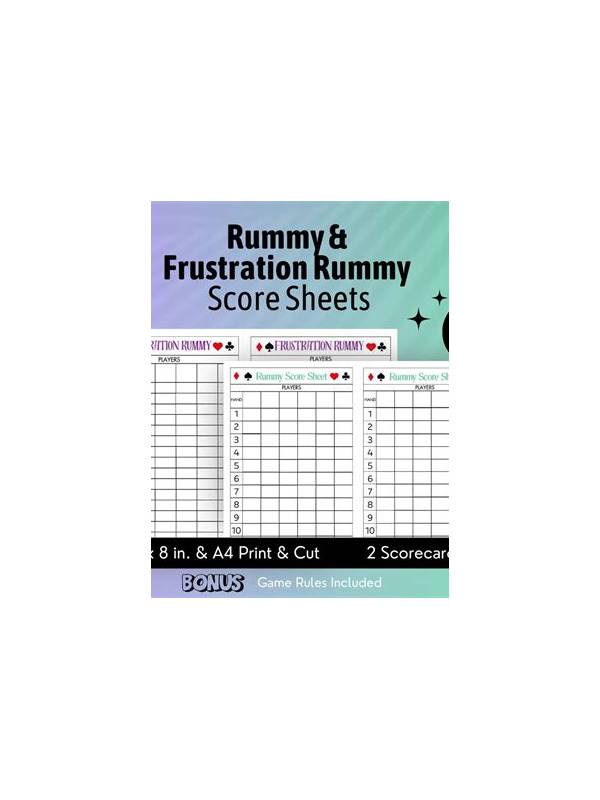
How to Keep a Rummy Score Sheet That You Can Trust
A consistent score sheet reduces disputes and makes each rummy round easier to review. [...]