Rummy Strategy: Track Open and Closed Information
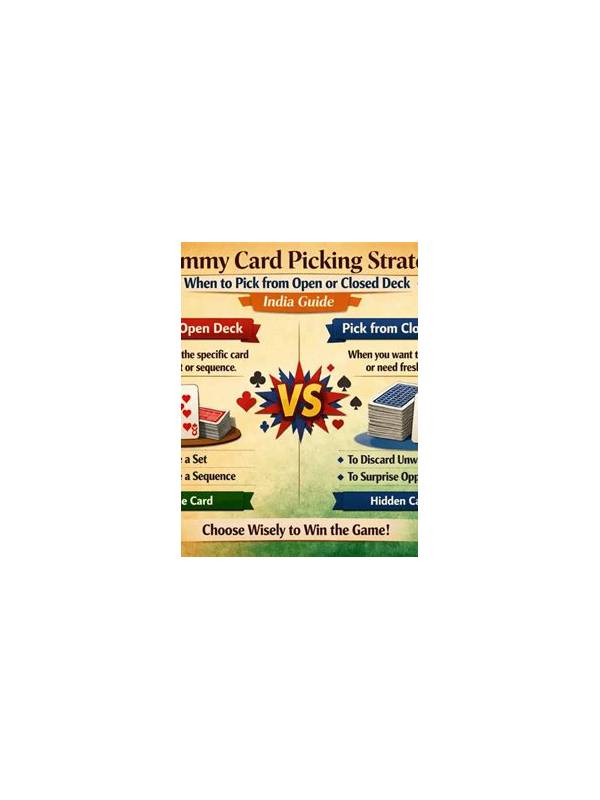
In a rummy hand, some information is visible and some is only inferred. The discard pile, exposed melds, and your own cards are open information. A card you believe another player holds is closed information. Treating both categories as equally certain can make an otherwise reasonable plan fragile. A small information map keeps strategy grounded.
Start with three columns in your notes: known, likely, and unknown. Put every card you can actually see in known. Put cards suggested by a discard pattern or an opponent’s pickup in likely, but do not treat those entries as facts. Leave the rest unknown. This takes less than a minute and prevents a guess from quietly becoming a rule.
Next, connect the cards in your hand to those columns. A pair that needs one specific card from the unknown column is a narrow project. A run that can be completed by several cards is more flexible. If a useful card is known to be in the discard pile and unavailable under the table rules, remove that project from your plan immediately.
Use the map before drawing, not after. Ask what the new card changes: does it create a confirmed group, improve a likely group, or merely add another possibility? A card that looks attractive but creates no concrete improvement may be less valuable than a plain card that reduces risk. This distinction also makes your discards easier to explain.
Update the map whenever an important card appears. If an opponent takes a card from the discard pile, record the fact without inventing the entire hand behind it. They may have needed it immediately, or they may be protecting an option. Your response should reduce your own uncertainty rather than chase a story about theirs.
The goal is not perfect card counting. It is disciplined confidence. Known information supports firm decisions, likely information guides cautious choices, and unknown information deserves flexibility. At the end of a hand, review one assumption that proved wrong. That review turns uncertainty into a practical lesson for the next deal.
You can make the map especially useful by marking time-sensitive information. A card in the discard pile may be visible, but it may not remain available if another player picks it up. Likewise, a likely route can become less likely after several turns pass without progress. The map should therefore be a living snapshot, not a permanent list. Keep it simple enough to update between turns, and give priority to facts that affect your next discard.
Related Post

Rummy FAQ: Why Do Discards Change the Plan?
A discard can change both your available routes and the information you use to evaluate [...]
Rummy Safety: Separate Game Advice From Account Requests
Recognizing the difference between normal gameplay help and sensitive account requests reduces avoidable fraud risk. [...]