Rummy FAQ: How Do You Read a Discard Pile Without Overreacting?
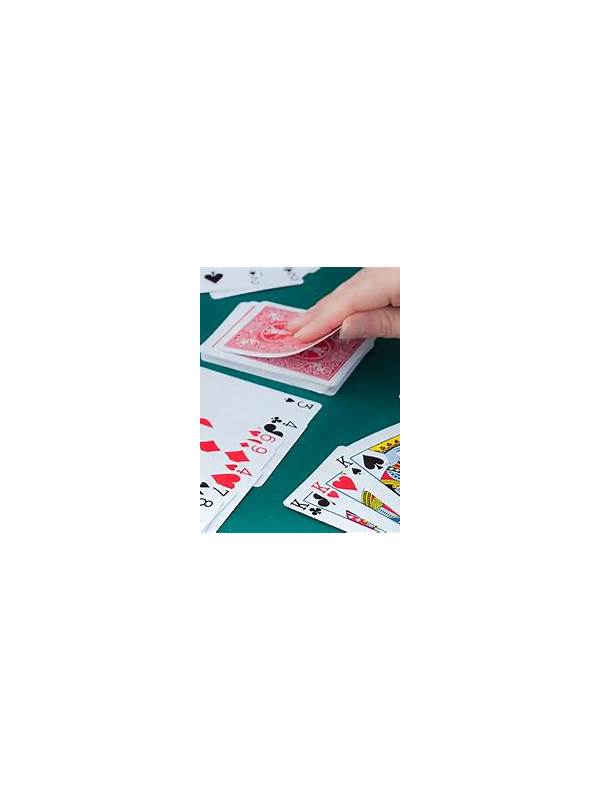
The discard pile is useful because it shows cards that are no longer available in the same way. It is also easy to overinterpret. One discarded card does not reveal an opponent’s entire hand, and a player may release a card for several unrelated reasons. Reading the pile well means collecting modest clues while keeping alternative explanations alive.
Start with confirmed information
Separate cards you have seen from cards you merely expect. A visible discard is confirmed. A card that would complete an opponent’s apparent sequence is only a possibility. Write the distinction mentally: “This card was released” is evidence, while “they did not want that suit” is an interpretation. That small separation prevents a guess from becoming a rule.
Watch repeated categories
Patterns become more useful when they repeat. Several discards from one suit may indicate low interest, but they may also reflect a player clearing high points or responding to a changing hand. Several cards near one rank may show that a connection was broken. Even then, avoid assuming the same intention will continue after a joker or a new sequence changes the hand.
Notice what is not being taken
When an opponent declines a card from the open pile, that is usually weaker evidence than an actual pickup because you do not know whether they had access to a different draw. If a player repeatedly ignores cards that would fit a visible route, you can lower that route’s priority slightly. Do not remove it from consideration entirely.
Protect your own information
Your discard choices also become evidence for others. Before releasing a card, consider whether it completes an obvious middle sequence or set. This does not mean refusing every useful card; it means recognising the information cost. A high-value card that is unlikely to help anyone may be safer than a low-value card that advertises a route.
Use the pile to narrow, not dictate
At decision time, ask three questions: What is certain? What is plausible? What would change my plan? If the answer to the last question is “only several future cards,” the clue should not dominate the current move. Keep your main hand structure, your penalty exposure, and the table rules in view.
Discard reading is a support skill, not fortune-telling. The strongest players use the pile to remove weak assumptions, then continue making choices that work even when the opponent’s hidden hand is different from the guess.
Related Post

Rummy Guide: Set Up a Calm Table Before the First Deal
A consistent table setup reduces distractions and makes hand organization, rule checks, and score tracking [...]
Rummy Guide: Read the Discard Pile Without Guessing
A careful look at the discard pile can improve decisions while keeping assumptions separate from [...]