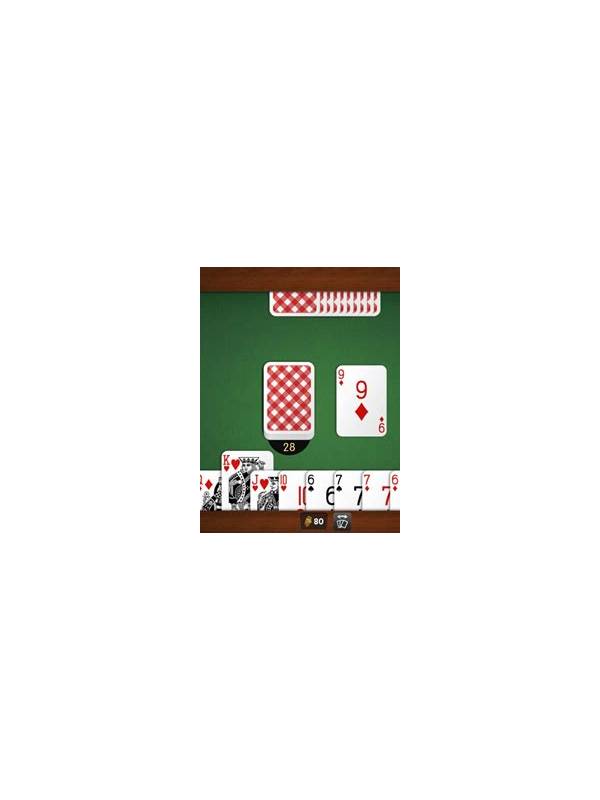
Rummy Meld Planning: Three Questions Before Every Draw
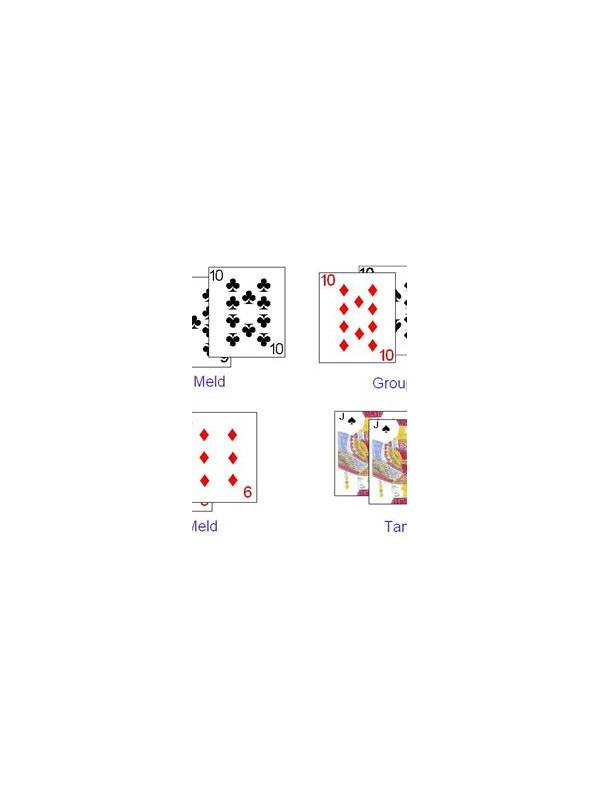
In a rummy hand, the draw is only the beginning of a decision. The useful question is not simply whether a card looks good, but how it changes the hand you are trying to build. A small planning routine can keep a player from collecting attractive cards without a realistic path to a declaration.
Start with the required structure
Before choosing a card to keep, identify the combinations your format requires. In a typical thirteen-card Indian rummy hand, you need at least one pure sequence and another valid sequence before the remaining cards can be arranged into sets or sequences. Rules can differ by table, so read the particular platform’s explanation first. This matters because a hand full of sets still fails if it lacks the required sequence.
Ask what the card completes
After drawing, look for an immediate connection. Does the card complete a pure sequence, extend an existing run, or create a pair with a useful neighboring card? A card that serves two possible combinations is often more valuable than a high card that has only one distant possibility. Keep the answer specific: “This seven can join the five-six or six-eight” is more useful than “sevens feel helpful.”
Check the cost of keeping it
Every retained card occupies space. If the new card forces you to hold several unrelated cards while waiting, calculate whether the wait is sensible. A six and seven of one suit may be promising, but keeping two unrelated eights, a queen, and an ace around them can leave the hand crowded. Consider discarding the card with the fewest realistic connections, not automatically the highest point value.
Reassess after the discard
The third question is whether your discard reveals a plan. A tidy hand should have visible groups and a short list of loose cards. Sort by suit, mark a likely pure sequence, and then choose a discard that does not break a stronger combination. If the hand still contains many equal possibilities, choose one main route and stop investing in every alternative.
This routine is deliberately modest. It does not predict the next card or guarantee a win. It gives each draw a purpose, keeps the required structure visible, and makes later decisions easier to explain. With practice, the three questions become a quick habit: what is required, what does this card complete, and what does keeping it cost?
The routine also helps when the table becomes fast. Instead of reacting to the latest discard, you return to the same checklist and make a decision you can defend. That consistency is more valuable than trying to invent a clever move on every turn.
Related Post

Rummy Comparison: Card Flexibility Versus Penalty Cost
A card can be valuable because of its points or flexible because of its connections, [...]
Rummy FAQ: Does a Complete Group Always Deserve Protection?
A complete group is valuable, but its role should still be checked against legality, flexibility, [...]