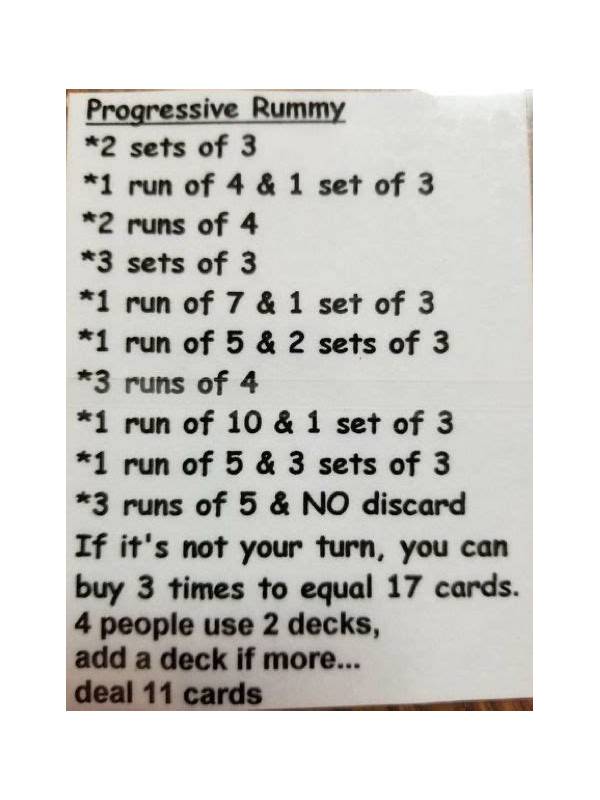
Rummy Comparison: Fixed Routine or Flexible Routine?
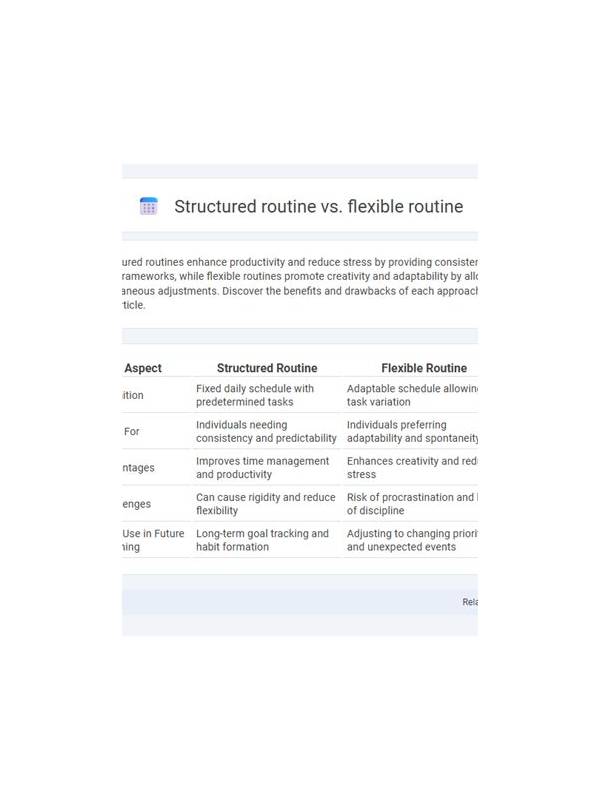
A playing routine can make rummy calmer, but not every routine should be rigid. A fixed routine repeats the same checks in the same order. A flexible routine keeps a few anchors while changing the depth of review according to the hand. Comparing the two helps players choose a method they can actually maintain.
A fixed routine is easy to remember. Before a hand, a player checks the table rules, confirms the time available, and decides on a stopping point. During each turn, the player sorts the hand, identifies the weakest card, and compares the draw with the known discard. After the hand, the player writes one observation. Repetition reduces the chance that a basic check disappears under pressure.
The weakness of a fixed routine is mechanical attention. If every hand receives the same checklist, a player may keep performing low-value checks while missing the feature that matters most. A nearly complete hand needs different questions from a scattered opening hand. A rigid order can also encourage speed for its own sake.
A flexible routine starts with the same anchors but adapts the middle. In an opening hand, the focus may be grouping and flexibility. In the middle, it may be protecting a useful route while reducing deadwood. Near a possible declaration, the focus shifts to legality, completeness, and avoiding an impulsive final move. The routine changes because the decision problem changes.
Flexibility has a cost: it requires judgment. A player may call a hand “special” simply to skip an uncomfortable check. To prevent this, keep three non-negotiable anchors: know the variant rules, pause before an irreversible choice, and verify the complete hand before declaring. Everything else can be adjusted.
For many players, a hybrid works best. Use a fixed two-minute setup and a fixed final verification. Between them, choose one review question that matches the hand’s current problem. Compare the results over several sessions, not one lucky or unlucky hand. The better routine is the one that produces clear explanations, manageable session length, and fewer avoidable oversights.
Related Post

Rummy App Privacy Settings Worth Checking First
Reviewing permissions, notifications, and account controls can reduce avoidable privacy risks in a rummy app. [...]
Rummy How-To: Make a Decision Log After Each Practice Hand
A small post-hand log can turn ordinary rummy sessions into focused practice. [...]