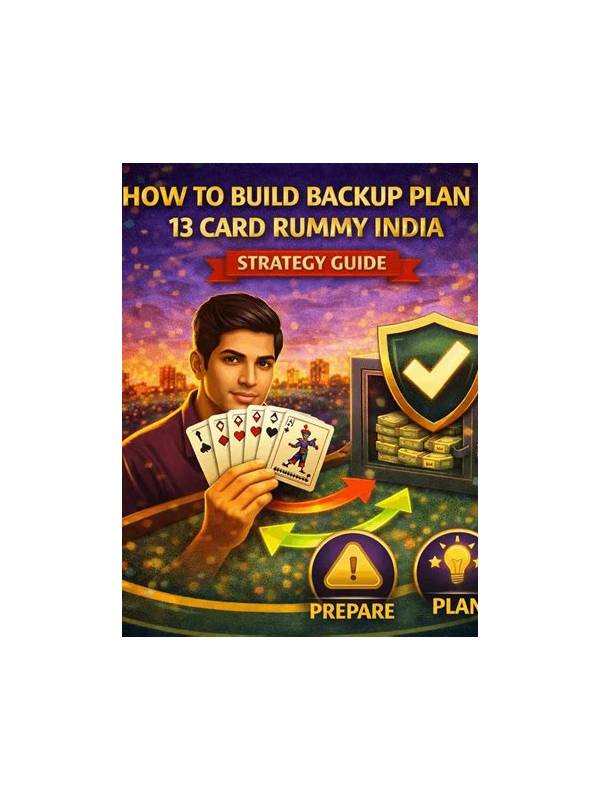
Rummy Guide: Keep a Decision Log After Each Hand
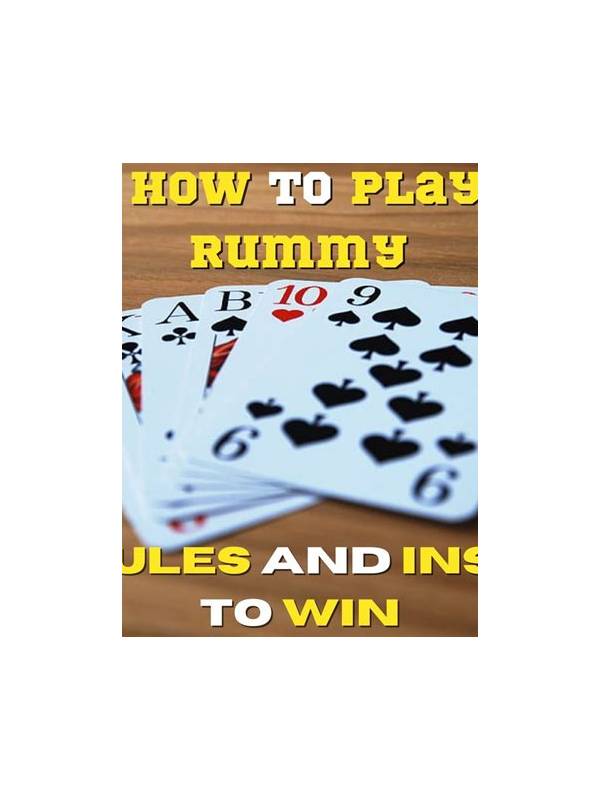
Reviewing a rummy hand can be useful, but an unstructured review often becomes a replay of the result. A decision log keeps attention on choices, information, and alternatives. It is not a diary of every card. It is a compact record that helps a player notice repeatable habits.
Start with the opening shape. Write down the number of promising runs, pairs, and unconnected cards you saw after arranging the hand. Note which card looked most awkward and which card had the most possible uses. This snapshot makes later changes easier to understand. Without it, players often remember the hand as better or worse than it actually was.
Next, record two or three turning points. A turning point might be taking from the discard pile, breaking a pair, holding a high card, or choosing a draw that created several routes. For each point, write the reason in one sentence. “I kept it because it could join two groups” is more useful than “good move.” The aim is to describe the logic, not defend the outcome.
Add the alternative you considered, even if you did not choose it. A simple comparison such as “discard the ten or keep it for the open-ended run” reveals what information was missing. If you cannot name an alternative, mark the decision as automatic. Automatic decisions deserve attention because they may be habits rather than conclusions.
Finish with one lesson for the next session. Keep it narrow: check isolated cards before protecting a pair, pause before using a wild card, or verify the declaration structure before acting quickly. Do not write a list of ten improvements. One testable adjustment is easier to evaluate.
After several hands, look for patterns rather than single mistakes. You may discover that your late discards are rushed, that you overvalue attractive pairs, or that you ignore the discard pile when your hand is close. Treat the log as evidence, not a verdict. It should improve observation and decision quality while leaving room for normal uncertainty in shuffled cards.
Related Post
Rummy FAQ: Why Can Rules Vary Between Platforms?
Small differences in format and house rules can change how a rummy hand should be [...]
Rummy How-To: Review a Hand by Decision Junctions
Reviewing only the turns where several choices were possible produces a more useful lesson than [...]