Rummy Tips: Read the Cost of a Crowded Hand
A crowded rummy hand is not necessarily a strong hand. Cards may be close to several patterns, yet the number of possibilities makes every discard feel dangerous. When everything appears important, the first task is to reduce visual noise without making a premature commitment.
Lay the cards out with space between possible projects. A project is a small group that shares a clear purpose, such as a same-suit run, a rank-based set, or a useful connector. Leave truly loose cards in a separate area. Do not place a card in two projects at once unless you consciously record that overlap. Otherwise, the same card can make two weak ideas look like one strong plan.
Give each project a simple label: ready, developing, or speculative. Ready means it already satisfies the local rules or needs a small, well-supported adjustment. Developing means it has a useful relationship but still needs work. Speculative means it depends on a narrow draw or a card that would be valuable elsewhere. This classification is not a score; it is a way to make trade-offs visible.
Now count the cards that are doing double duty. An overlapping card can preserve flexibility, but too many overlaps can make the hand fragile. If discarding one card destroys two projects, identify whether both projects are real or whether one survives only because you keep borrowing the same card. Often the correct discard becomes clearer once the weaker project is separated.
Finally, choose one priority for the next turn. You might prioritize legality, reducing penalty points, or preserving multiple completion routes. A crowded hand rarely improves through constant rearrangement alone. Use the layout to make one decision, then redraw the groups after the next meaningful change. Clear structure turns a hand full of possibilities into a manageable list of choices. If the hand remains crowded after one review, make a temporary commitment rather than trying to solve everything at once. Choose the project with the clearest route and give it one draw or one public-information checkpoint. This creates a testable plan. When the checkpoint arrives, keep the project only if it improved or still beats the alternatives. Controlled commitment is often more useful than endless preservation of every possible arrangement. Additional review note: after grouping a crowded hand, choose one project for the next checkpoint and state what evidence would make you abandon it. This keeps flexibility from becoming indecision and gives the next draw a clear job.
Related Post
Rummy Table Layout: Why Consistent Organization Helps
A consistent card layout reduces visual searching and makes hand verification easier during online rummy. [...]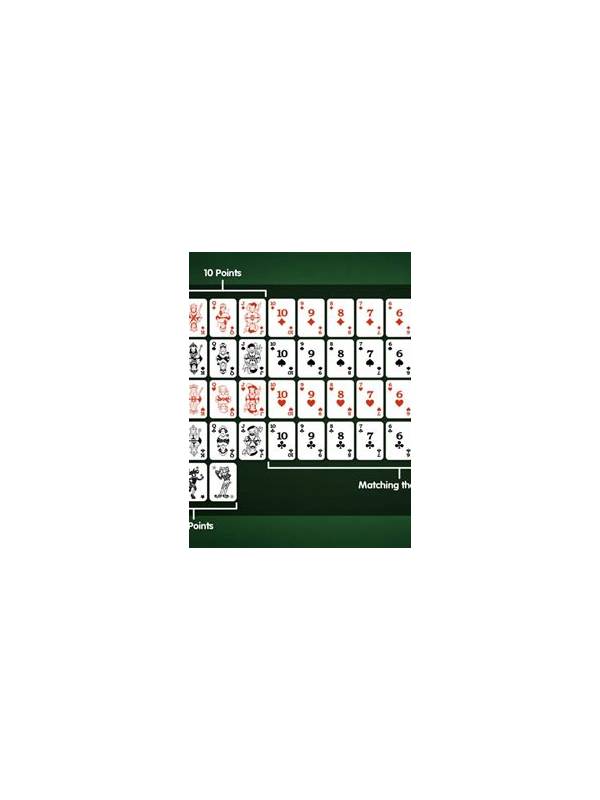
Rummy How-To: Estimate Remaining Useful Cards
A simple outs estimate shows whether a developing group has enough realistic support to keep. [...]