Rummy Guide: Evaluate a Single-Card Gap
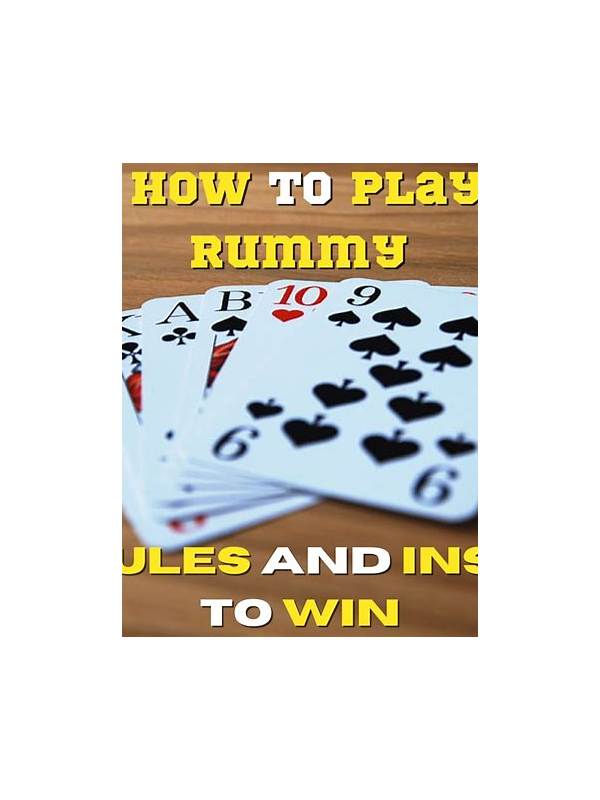
A two-card sequence with one missing rank looks attractive because it is easy to describe: find the missing card and complete the group. The danger is treating that description as a plan. A single-card gap can be strong, weak, or merely distracting depending on what else your hand can do.
Start by naming the exact completion rather than thinking vaguely about a “near meld.” If you hold six and eight of the same suit, the seven is the immediate connector. Then ask how many realistic routes remain. Can the six or eight join a different group? Would either card become dangerous to keep if the gap stays open? This turns a visual impression into a comparison.
Next, estimate time. A gap that can be completed from either the draw pile or a visible discard is more actionable than one that depends on a card with no public evidence. Do not assume an unseen card is likely simply because it would help. Consider how many turns you can spend waiting before a safer structure deserves priority.
Compare the gap with your best alternative. A completed set-in-progress, a flexible middle-card pair, or a low-risk single may be worth more than the attractive near-sequence. The question is not whether the gap has value; it is whether its value exceeds the cost of keeping it. If preserving the gap forces you to discard a useful connector elsewhere, the gap may be expensive.
Use a short checkpoint before each draw: what completes this idea, what other job can these cards perform, and what will I release if the card does not arrive? If the answers remain favorable, keep the gap. If the gap has no credible alternative and has consumed several turns, set a break point. A single missing card is evidence of possibility, not a promise of completion. It also helps to distinguish a gap that is visible from a gap that is merely named. If a discard shows the needed rank, the card may be available, but taking it can announce your direction and may have a defensive cost. If the needed rank is hidden, keep your estimate modest. A useful review records both the attractive outcome and the quiet cost of waiting. This habit makes the decision portable across different table rules and prevents one memorable completion from teaching an overly broad lesson.
Related Post
A Beginner Guide to Rummy Sequences Near the Ace
Understanding how your chosen rummy rules treat the ace prevents common sequence mistakes. [...]
Rummy Comparison: Exact Targets Versus Conditional Targets
Comparing exact and conditional targets helps players judge whether a rummy plan is narrow or [...]