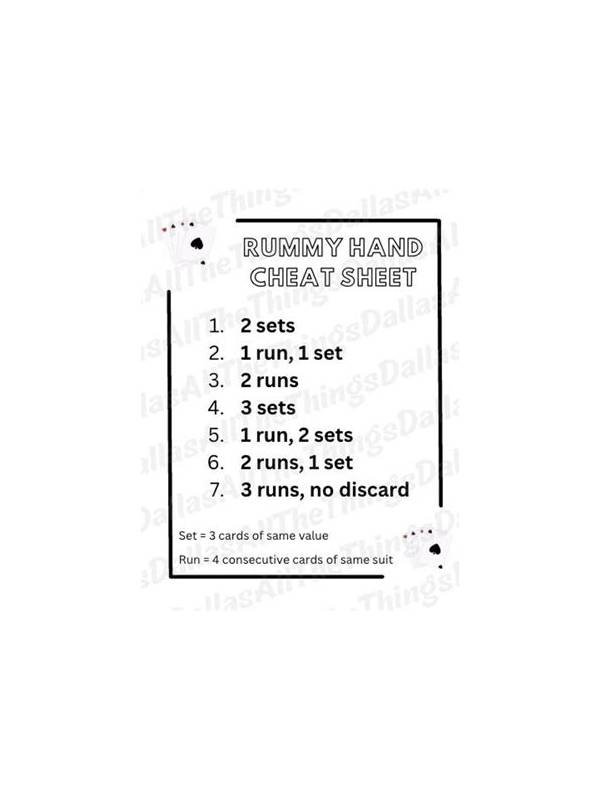
Rummy Guide: Separate a Card’s Role From Its Rank
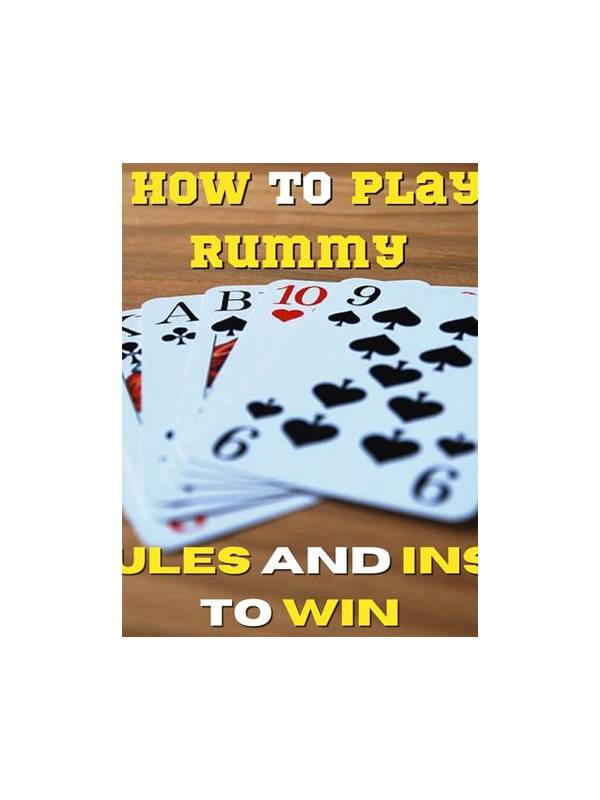
Two cards with the same rank can have very different roles in a rummy hand. One may complete a set, another may extend a sequence, and a third may be an expensive leftover. Looking only at rank hides these differences. A role-based review asks what a card contributes now, what it could contribute next, and what happens if it remains ungrouped.
Start by giving every card a temporary label: foundation, connector, set candidate, flexible spare, or isolated cost. These labels can change after a draw. A connector supports two nearby cards in one suit. A set candidate shares a rank with other suits. A flexible spare has more than one plausible use. An isolated cost has no current group and a limited improvement path.
The labels help with discards because they reveal redundancy. If two cards perform the same job, one may be safely released, especially if one has a higher penalty or narrower connection. If a single card supports two separate arrangements, it deserves a closer look before being discarded. This does not mean it must be kept forever; it means the decision should account for the work it is doing.
Re-label after meaningful changes. A card that was a connector can become an isolated cost when a neighboring card is discarded. A pair can become a set candidate when a third suit appears. Avoid carrying old labels through the whole hand. The hand is a changing system, and accurate evaluation depends on current relationships.
Use role and rank together at the final check. Rank helps estimate penalty and sequence distance, while role explains practical utility. Neither view is enough on its own. When you combine them, you can release a high card that has no job and protect an ordinary card that quietly supports two routes. This method builds better decisions without requiring complicated calculations. When practicing, cover the rank of one card and describe its role from the surrounding cards. Then reveal the rank and check whether your description still makes sense. This exercise highlights how much context matters. It also encourages you to notice cards that are doing quiet work, such as preserving a pivot between two possible sequences, before making an automatic discard. This small pause can reveal that a supposedly redundant card is carrying more responsibility than expected. The surrounding hand supplies the evidence for that role. This approach works for both physical cards and digital tables with changing layouts.
Related Post
Rummy Comparison: Visual Layouts and Written Plans
Compare arranging cards on screen with keeping a short written plan for clearer rummy decisions. [...]
Rummy Comparison: One-Page Review Versus Full Hand Journal
A one-page review is fast and repeatable, while a full hand journal preserves detail for [...]