Rummy Comparison: One Strong Plan Versus Two Moderate Plans
A hand can sometimes support one clear plan or two weaker plans. Committing early may create a fast route to completion, but it can also make a bad draw expensive. Keeping both options alive preserves flexibility, yet it may leave too many cards ungrouped. Compare the plans rather than following a general rule.
Begin with completion quality. Does the strong plan already contain a completed group or a nearly complete legal structure? If it needs one ordinary card, it may deserve priority. If it depends on several exact cards, its apparent strength may be misleading. Moderate plans can be better when each has multiple ways to improve and neither requires a narrow miracle.
Then compare repair cost. Ask what happens when the next two draws do not help. A committed plan may still leave useful cards, or it may leave a collection of high penalties. Two moderate plans may survive an unhelpful draw because one can be abandoned while the other remains. The better plan is often the one with the cheaper failure, not the one with the prettier possibility.
Flexibility should be measured concretely. Count compatible connectors, alternate groupings, and cards that can move between plans. Avoid counting the same card as full support for both plans if using it in one prevents the other. A plan that relies on a shared middle card is less flexible than it first appears.
The stage of the hand changes the answer. Early play rewards information and optionality because there is time to reassess. Later play favors a plan that reduces penalty exposure and satisfies declaration needs. If you are close to the end, moderate plans that never become legal groups may be less useful than one plan you can finish and verify.
Make the comparison in a short sentence: “Plan A finishes sooner but has a costly miss; Plan B is slower but has three repair routes.” That sentence exposes the tradeoff. Choose according to the variant, score pressure, and available information. Plan commitment is not a personality trait. It is a temporary decision based on completion likelihood, failure cost, and the value of keeping an alternative alive.
Imagine the next card is unhelpful. Which plan leaves the more manageable hand? Then imagine each plan receives help. Which improvement produces a legal group rather than another partial? These scenarios expose both downside and upside without requiring a precise forecast. If the answer changes with the stage of play, note the trigger that would make you commit. A plan can remain moderate for one turn and become strong after a connector arrives. Flexibility is valuable when it has a decision point attached.
Related Post

Rummy How-To: Build a Small Endgame Checklist
A compact endgame checklist protects legal requirements, timing, and clear action when the hand is [...]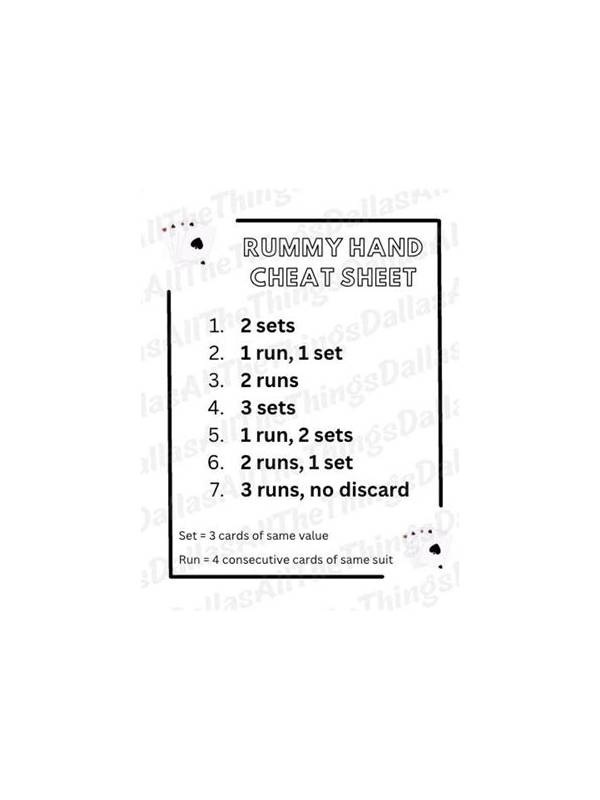
Rummy Guide: Turn a Confusing Hand Into Three Candidate Plans
Three clearly labeled candidate plans can make a crowded rummy hand easier to evaluate and [...]