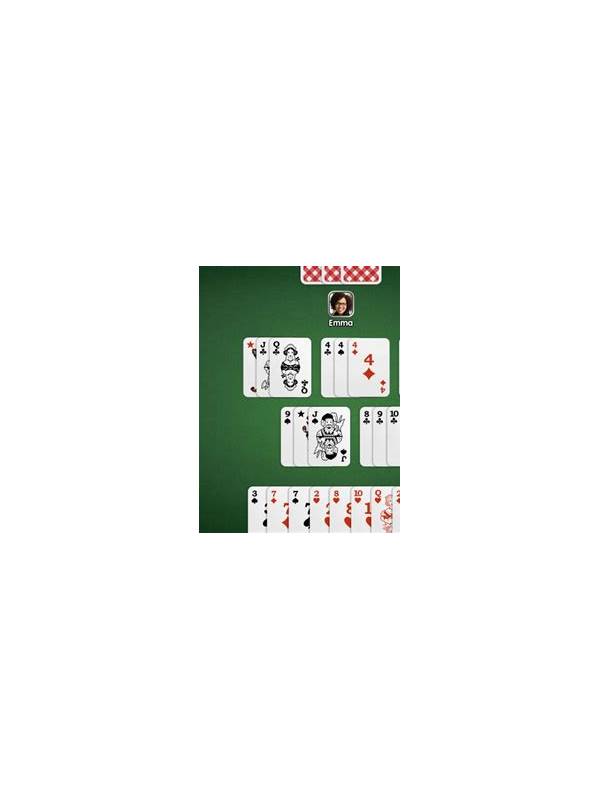
Rummy How-To: Build a One-Minute Endgame Routine

The final minute of a rummy round is a poor time to invent a new strategy. A short routine can help you verify the hand you already built and catch a missing card or invalid group.
Begin with the rule screen or table reminder. Confirm the required number and type of sequences, the treatment of jokers, and the action needed to declare. Rules vary between formats and platforms, so relying on memory can create an avoidable mistake. If the timer is short, check the most important eligibility requirement first.
Next, inspect every proposed group from left to right. For each sequence, confirm that the cards share a suit and follow the permitted order. For each set, confirm that ranks match and suits meet the rule. Do not judge a group by its visual appearance alone; read the individual card labels. Small screens and fast animations can make a card easy to misread.
Then count unresolved cards. There should be no card left in the hand unless the rules specifically allow it. If one card is outside a group, do not hide it under a confident-looking layout. Identify the weakest group and test whether moving one card creates a legal arrangement. A declaration check is a logic exercise, not a beauty contest.
After the legality check, review the action itself. Make sure you have completed the required draw and discard sequence, and that the intended button matches your decision. If you are not ready, do not rush simply because another player has acted. A deliberate fold or exit may be better than an unverified declaration, depending on the format.
Practice the routine in free or low-pressure games so it becomes familiar. The purpose is not to play faster; it is to make the same essential checks under pressure. Keep the routine short, consistent, and tied to the rules shown at the table. Good endgame discipline protects the work your earlier decisions created.
If the interface makes cards difficult to read, improve the viewing conditions before the final check. Increase text size or brightness where available, close distracting notifications, and avoid declaring while multitasking. These small adjustments reduce interface errors that have nothing to do with card strategy.
When the timer is nearly finished, prioritize legality and the required action over cosmetic sorting. A neat layout is useful only if it helps you verify the groups. After the round, note any step you skipped and add it to the next practice reminder.
Related Post
Rummy FAQ: Should You Keep Two Cards for One Exact Draw?
Keeping a narrow pair can be correct, but only when its payoff outweighs the point [...]
Rummy FAQ: What Is the Difference Between a Signal and a Fact?
Separating signals from facts keeps table observations useful without turning guesses about opponents into certainty. [...]