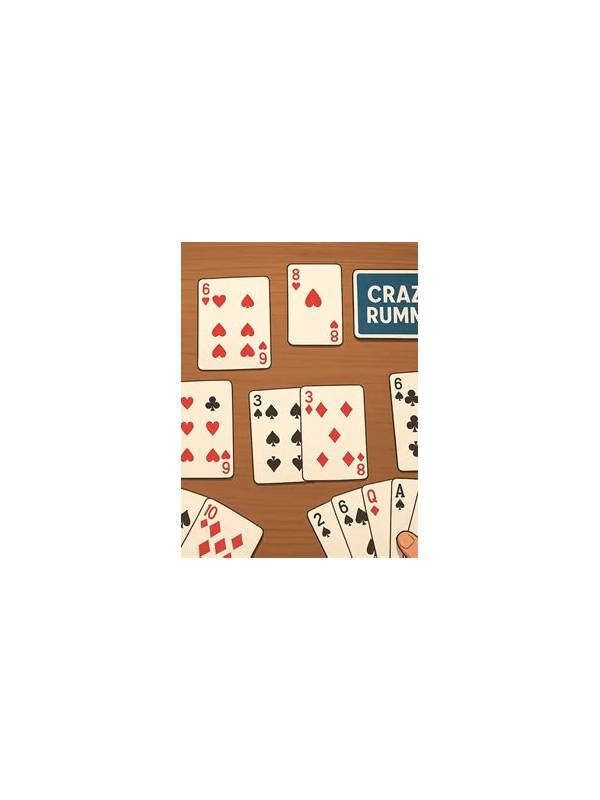
Rummy Safety FAQ: What Should You Do After a Frustrating Loss?
A frustrating loss can make a normal game feel like a problem that must be corrected immediately. That reaction is common, but it is also a warning sign. The next decision should not be an automatic attempt to recover money, prove a point, or erase an unlucky result. A short pause gives you room to choose whether continuing is genuinely appropriate.
Begin by stopping the session for a few minutes. Put the device down, leave the table, and do something unrelated to the result. The goal is not to analyze every card while emotions are high. It is to lower the urgency that can turn a planned activity into reactive play. Slow breathing, water, or a short walk can help you notice whether you are still tense.
Then ask what changed. Did you lose within the amount you planned to spend, or did you add funds during the session? Did you extend the planned time? Are you thinking about the next game mainly because it looks enjoyable, or because you want the loss back? The answers matter more than the size of a single result. Chasing often begins with a small exception to an earlier boundary.
Check your practical limits before returning. Confirm that the next entry or stake fits the entertainment budget you set in advance and that essential expenses remain untouched. Never borrow, use money reserved for bills, or rely on a future win to make a current decision safe. If the platform provides deposit, spending, time, or cooling-off controls, use them when you need extra distance. Rules are most useful when applied before impulse becomes action.
Review the session only for learning points. You might note that you played while tired, joined a table above your comfort level, or ignored a planned stop time. Keep the review factual and brief. A loss does not prove that you are a poor player, and a win would not prove that every choice was sound. Separating skill feedback from self-judgment makes it easier to improve without escalating.
Several answers are clear reasons to stop for the day: you feel unable to follow your budget, you are hiding play from someone because of its financial impact, you are borrowing to continue, or the activity is interfering with sleep, work, or relationships. In those situations, step away and consider using stronger account limits or seeking support from a trusted person or a local responsible-gambling service.
The safest response to a frustrating loss is a decision made later, under calmer conditions. Continuing can be reasonable only when the activity remains within your preset limits and still feels optional. If it no longer feels optional, the pause has already provided the answer: stop, protect your boundaries, and return only when play is once again a choice rather than a reaction.
Related Post
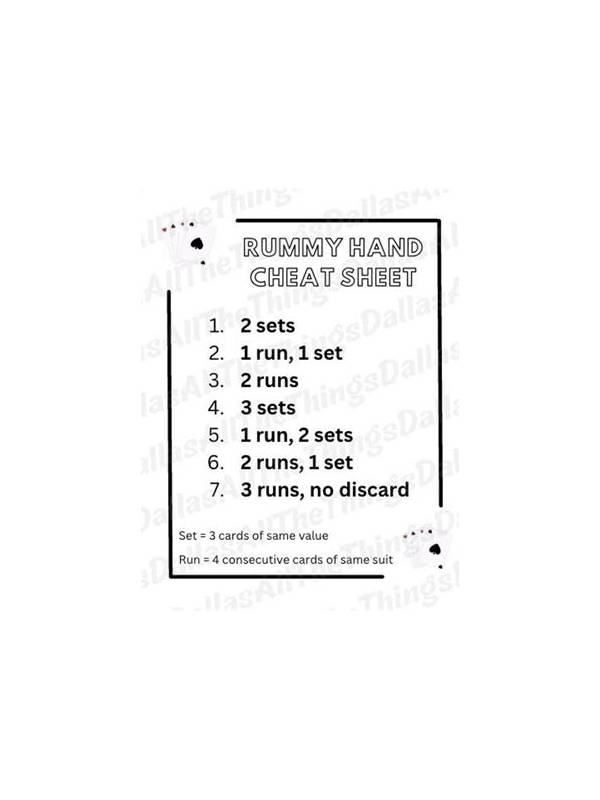
Rummy How-To: Review a Hand With Color-Blind-Friendly Symbols
Simple symbols and text labels can make rummy hand review clearer when color alone is [...]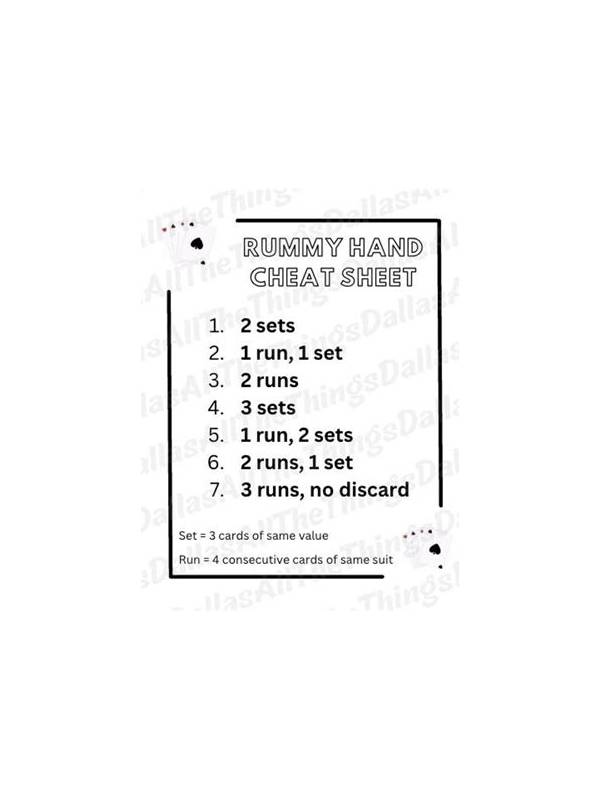
Rummy Tips: Compare Hand Shapes Before Counting Points
Looking at the shape of a hand before its point total can reveal which improvement [...]