Rummy Guide: Use a Three-Card Horizon
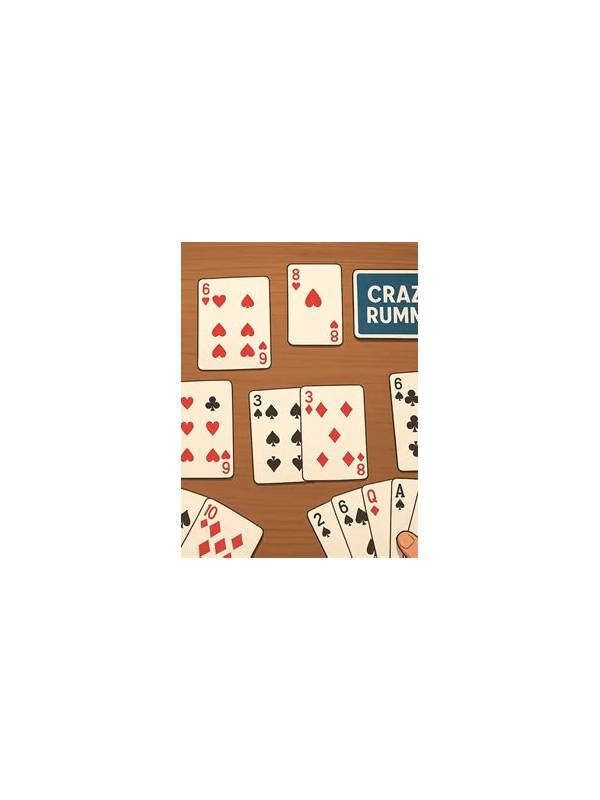
Many rummy decisions become confusing because players try to solve the whole hand at once. They imagine several future draws, possible melds, and opponent actions, then lose sight of the choice in front of them. A useful alternative is the three-card horizon: evaluate what your hand would look like after the next few realistic improvements, rather than building an elaborate forecast.
Start by identifying the card you are considering keeping or discarding. Then ask what three kinds of cards would improve its role. For a seven and eight of the same suit, the useful cards might include a six, nine, or another card that helps a secondary group. The exact list depends on the variant and your current meld requirements, but the principle stays the same: define a small set of practical improvements.
Next, compare that horizon with the alternatives. A high singleton may have several theoretical connections, yet none may be especially useful if it conflicts with your pure-sequence requirement. A pair may look attractive because it is already duplicated, but its next three useful cards could be narrow. The horizon does not ask which card is beautiful in isolation. It asks which choice has a workable near future.
Use the method after every important draw, because a new card can change the value of an old one. A connector that was previously flexible may become part of a nearly complete run. A joker may make a previously awkward group viable. Recalculate briefly instead of carrying yesterday’s evaluation forward.
The three-card horizon is also a guard against overconfidence. If you can name only one unlikely improvement, label the plan fragile. If you can name several improvements that support the same route, label it flexible. These labels are more useful than claiming certainty about the next draw.
Keep the review short during live play. Identify the candidate, list a few practical improvements, compare the same horizon for one alternative, and choose. The goal is not perfect prediction. It is a disciplined way to make the next decision while keeping enough flexibility for the hand to change.
You can also use the horizon in a practice review. Pause at a chosen turn and write the three improvements you would have considered then. Compare that list with the cards that were actually available, without judging the result. This reveals whether your planning language is too broad, too narrow, or appropriately tied to the hand’s real structure.
Related Post

Rummy Safety: Take Breaks Before Attention Drops
Planned breaks protect decision quality when fatigue, screen strain, or repeated rounds begin to reduce [...]
Rummy FAQ: What Is a Good Stopping Point for Analysis?
A useful analysis routine should end before it becomes slow, repetitive, or disconnected from the [...]