Rummy FAQ: How Do You Switch Plans Without Losing Structure?
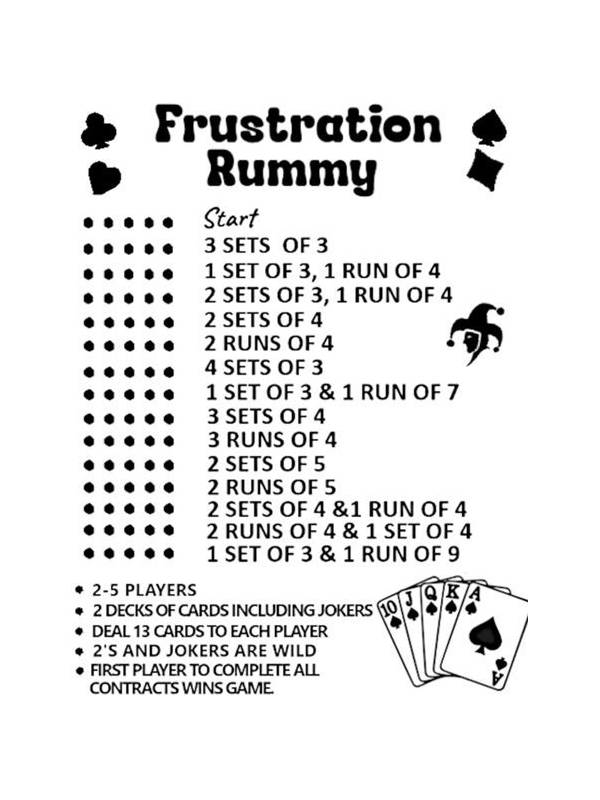
A promising run can become a trap when its missing cards are no longer realistically available. The right time to abandon it depends on routes, visibility, penalty, and the alternatives in your hand—not on how many turns you have already invested.
Start by naming the missing cards. If the run needs one exact rank, count how many copies are still plausible. If it can accept several ranks or extend in two directions, it has more resilience. Then inspect the discard pile and visible actions. Information should update your estimate, not force an immediate conclusion.
Next, calculate the cost of waiting. While holding the run, what card are you unable to release? A low-point flexible card may make waiting reasonable. A high-point isolated card or a hand that cannot meet a required natural-sequence rule may make the same wait expensive. The opportunity cost is often the strongest reason to change.
Compare one alternative route. If abandoning the run leaves several useful draws and a manageable penalty, switching can be correct even before the original route is impossible. If every alternative is worse, keep the run but set a reassessment point for the next meaningful draw. A conditional plan is healthier than a permanent commitment.
Finally, do not use the outcome as proof. A run can fail after a sound decision, and an unlikely card can rescue a weak one. Judge whether the route was supported at the time. Abandonment is not giving up; it is reallocating hand space when the expected value of the original plan has fallen. Set a clear trigger before the next draw when possible: switch if another required card appears, if the route still has one out after two turns, or if keeping it forces a high-point discard. Preserve completed groups and cards supporting both routes. A careful transition may be less elegant but stronger. Review the switch using information available before the result. The trigger should be based on the hand, not on embarrassment about changing direction. Other players cannot see the effort you spent on a route, and the cards do not reward stubbornness. Protect what remains useful, release what has become expensive, and use the new structure to make a fresh estimate. The aim is a stronger position, not a defense of an earlier prediction. A plan can be promising and still no longer be best. The decision point is the current evidence, not the original excitement. If you switch early, you may retain useful connectors and reduce penalty. If you stay, do so with a stated reason and a reassessment trigger. Either choice is stronger when it is deliberate.
Related Post
Rummy How-To: Use a Reset Turn After a Confusing Sequence
A reset turn gives players a repeatable way to regain clarity after several uncertain choices. [...]
Rummy Practice: Predict the Next Useful Card
Predicting useful cards in a practice hand improves planning while teaching the limits of uncertain [...]