A Beginner’s Guide to Rummy Suits and Sequence Direction

Suits are the foundation of sequences in Indian rummy. A sequence is formed from cards of the same suit in consecutive rank order, while a set uses cards of the same rank from different suits. Mixing these ideas is a common beginner mistake, so learn to check suit before rank.
Suppose you hold the five, six, and seven of one suit. Those cards form a natural sequence because both the suit and the order match. A five from another suit does not extend it, even though the rank is identical. It may belong to a set with other fives, but it has a different job in the hand.
Sequence direction is normally straightforward: ranks progress upward by one. Treat the ace according to the table’s published rules; many Indian rummy games allow ace-low combinations such as ace-two-three and ace-high combinations such as queen-king-ace, but you should verify the specific format. Do not assume that a king, ace, two is valid unless the rules explicitly permit that order.
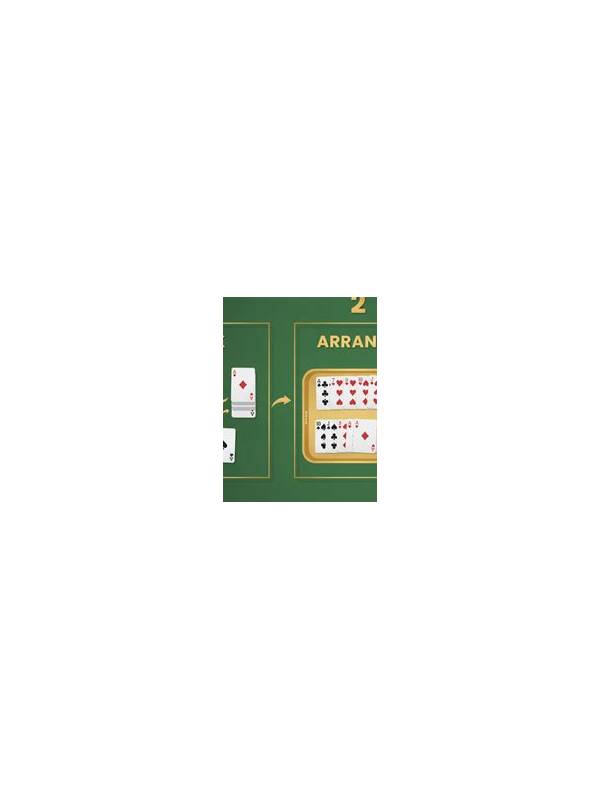
When sorting a hand, group cards by suit first and then arrange each suit from low to high. Place jokers slightly apart so you can see which gaps they might fill. This layout makes natural runs visible and prevents a card from being assigned to two groups in your head.
If you have two cards in sequence order, ask how many extensions are possible. A seven and eight of the same suit may accept a six or nine, while an ace and king may have fewer choices depending on the rules. Pairs that can connect at either end are often more flexible than isolated high cards. Still, flexibility is not certainty: keep track of discarded cards and avoid chasing every possible gap.
Before declaring, check each proposed sequence for both conditions: same suit and consecutive order. Then check that the hand includes the required pure sequence and any additional valid grouping required by the format. A quick suit-and-order scan catches many errors.
With practice, suits stop feeling like extra information and become a sorting tool. Arrange first, evaluate gaps second, and confirm the table’s ace rule before play. This simple method gives beginners a dependable starting point for every hand. n+When a card appears to fit two arrangements, do not decide solely from its rank. Compare the complete groups that each arrangement would leave behind. A sequence with a missing middle card may be less useful than a confirmed set, while a connected run can be valuable if it also protects the pure requirement. Say the suit and rank aloud during practice. Verbal checking feels slow at first, but it builds a visual habit that later becomes nearly automatic.
Related Post
Rummy Tips: Compare Hand Plans by Number of Required Arrivals
Counting the arrivals each hand plan needs provides a practical way to compare progress without [...]
Rummy Guide: Score the Quality of a Plan
A simple plan-quality score helps compare rummy options by progress, flexibility, cost, and rule confidence. [...]