How to Check Rummy Rules Before Joining a New Format
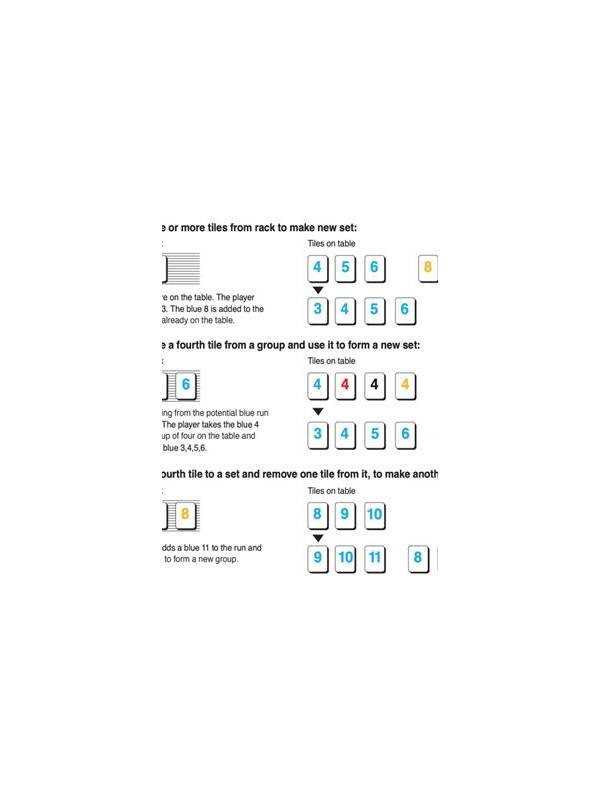
Rummy formats can share familiar card actions while using different rules for melds, jokers, scoring, or declarations. Before joining a new table, spend a minute confirming the details that can change a legal move. This is useful for online play and for casual games where players assume everyone remembers the same version.
Start with the objective. Find out whether the round ends when one player makes a valid declaration, when a target score is reached, or after a fixed number of deals. The objective determines how aggressively you should protect points and how much value to assign to an unfinished group.
Check the hand structure next. Ask how many sequences are required, whether one must be pure, how many cards are dealt, and how jokers work. A group that looks complete in one format may be invalid in another. Confirm whether an ace can be low, high, or both, and whether suits matter for sets.
Then review actions and timing. Is a player required to draw before discarding? Can the top discard be taken only with the cards above it, or can a player choose any visible card? Is there a turn timer, and what happens when it expires? Small interface assumptions can produce large mistakes under pressure.
Finally, check scoring and withdrawal conditions. Learn the value of unmelded cards, the maximum penalty, and whether an invalid declaration has a fixed cost. If the format involves entry fees or prizes, also confirm the relevant age, location, account, and responsible-play requirements before taking part.
Keep a personal format card with the answers in plain language. Do not rely on a thumbnail, an old memory, or another player’s confident guess. Rules checks take less time than repairing a hand built around the wrong assumption, and they make the first round a learning exercise rather than a preventable surprise.
If the rules are presented in a long help page, focus first on objective, valid melds, jokers, scoring, and time limits. Avoid advice copied from a different app, because familiar labels can hide important variations. After the first round, revisit only the rule that affected your decisions most. A short checklist is enough for a first session.
Write down the deal size, draw order, declaration condition, joker treatment, penalty cap, and timer behavior. Once these points are clear, you can spend your attention on the hand itself. Use the same checklist whenever the format changes.
Related Post

Rummy How-To: Make a Table-State Snapshot
A quick table-state snapshot helps players separate visible facts from guesses before choosing a draw [...]
Rummy Table Noise: Filter Distractions From Decision-Relevant Signals
Separating useful table information from noise helps players stay observant without becoming reactive. [...]