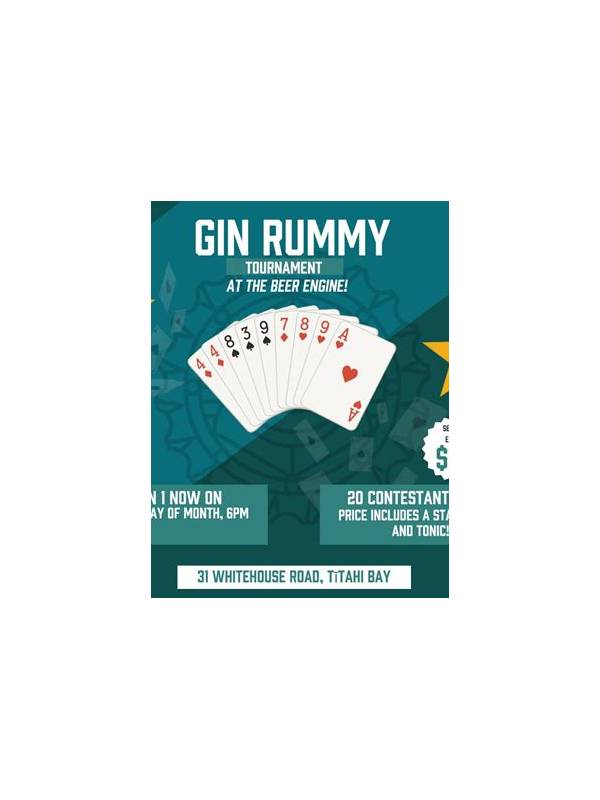
Comparing Practice Rummy With Paid Tables
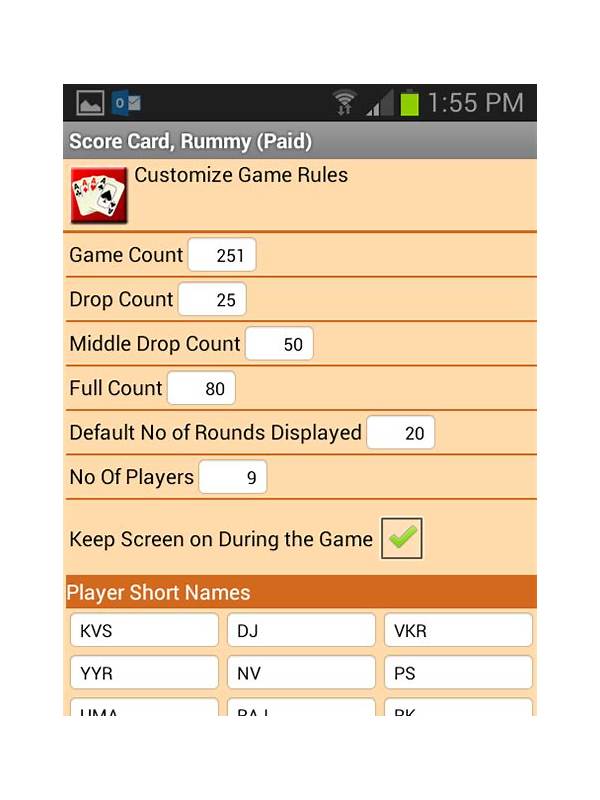
Practice and paid rummy tables can use the same basic rules, but they create different decision environments. Comparing them honestly helps a player learn skills without mistaking a practice result for a financial forecast.
Practice tables are useful for interface fluency. You can learn where the draw pile sits, how cards are sorted, how to group a hand, and how to undo or confirm an action. They also provide a low-pressure place to rehearse checking for a pure sequence and counting penalty points. This is especially valuable on a small screen.
They have limits. A free table may attract different playing habits, and the emotional pressure is usually lower. A player might take a speculative draw in practice that they would not take with money at stake, or continue far longer because stopping has no cost. Practice results therefore show whether you understand a process, not whether you can expect a particular return.
Paid tables add financial consequences and may change attention. The best preparation is a fixed budget, a fixed time window, and an entry level that feels small enough to leave without regret. Never increase the stake simply to recover a previous loss. If you feel compelled to continue, the table is no longer serving as measured entertainment.
Use a gradual bridge. First repeat the same format in practice until the rules and controls feel routine. Then, if you choose to play for money, select the lowest suitable level and carry over one process goal. After each session, review decisions rather than the balance alone. Ask whether you followed your limits and recognized uncertainty.
Both table types can teach observation, sorting, and disciplined discarding. Neither can guarantee future outcomes. Treat practice as a laboratory for decisions and paid play as optional entertainment with real limits. That distinction keeps learning useful and prevents a short winning streak from becoming an unsafe expectation.
One practical test is to describe your process without mentioning the balance. If you can explain how you sorted, what you protected, and why you stopped, the session produced useful evidence. If every sentence is about winning back money or repeating a lucky pattern, take a break before treating the experience as training.
Practice also helps you compare formats safely. Keep the rules constant while changing only the pace or scoring method, and note which environment supports clear thinking. That comparison is more informative than moving between several tables and trying to explain every result at once.
Related Post
Rummy How-To: End a Session With a Clear Stop Routine
Turn the short interval between hands into a reset for attention, posture, and decision quality. [...]
Rummy FAQ: Should You Always Keep a Joker?
A joker is flexible, but its best use depends on the hand’s structural requirements. [...]