How to Explain Indian Rummy Rules to a New Player

Teaching Indian rummy is easier when the learner sees the purpose of each action before hearing advanced strategy. Start with the hand objective, then introduce legal groups, turns, and scoring. This order gives new players a map for the symbols and choices they see at the table.
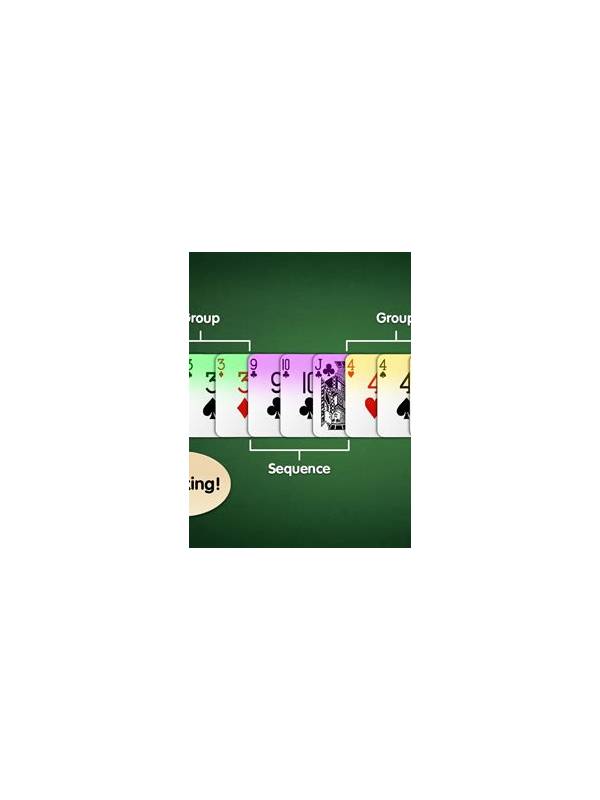
Explain that cards are arranged into sequences and sets, and that the exact declaration requirement depends on the format. In commonly played versions, a valid hand includes at least one pure sequence and another qualifying group. Emphasize that the platform’s rules page controls the table being used; different versions can vary in hand size, jokers, and scoring.
Demonstrate a pure sequence with consecutive cards of the same suit. Then show an impure sequence that uses a joker, and a set made from matching ranks in different suits. Use a small example and ask the learner to identify what is missing. Seeing the difference is usually clearer than memorizing definitions.
Describe the turn cycle slowly: draw one card, arrange the hand, and discard one card. Explain that taking from the discard pile may reveal information, while a stock draw is unknown. Let the learner practice arranging cards before introducing the timer or competitive decisions.
Teach a safe decision routine. Check the required pure sequence, find the strongest complete group, and then evaluate isolated high cards. Encourage questions such as “What does this card complete?” rather than “Is this card lucky?” The routine is more useful than a list of secret moves.
Finish with verification and responsible play. Before declaring, inspect every card for membership in a legal group and confirm the table’s rule. Set a time and spending boundary before any pressure appears. A new player should leave the lesson understanding both the mechanics and the importance of stopping when the game is no longer enjoyable or focused.
Invite the learner to explain one sample hand back to you. Ask which group is pure, which card is discarded, and what must be checked before declaring. Correct the rule gently and return to the example rather than adding terminology. Teaching is successful when the player can describe the next action and its reason, not when they can repeat a long list of labels.
Leave strategy comparisons for later. A new player first needs confidence in drawing, grouping, discarding, and checking the declaration. Once those actions are familiar, introduce one decision at a time, such as comparing a stock card with a visible discard. A patient teaching order makes the game understandable without suggesting that every hand has a secret trick.
Related Post
Rummy Hand Clarity: Three Passes Before a Discard
Three quick inspection passes help players choose discards with less confusion. [...]
Rummy FAQ: What Is a Flexible Pair?
A flexible pair can support more than one useful completion, but its value depends on [...]