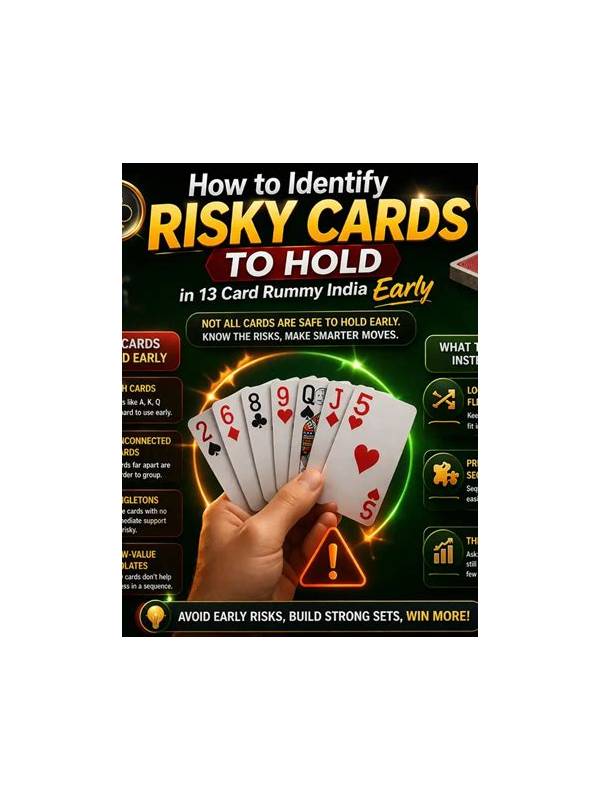
How to Read a Rummy Game Lobby Before Joining
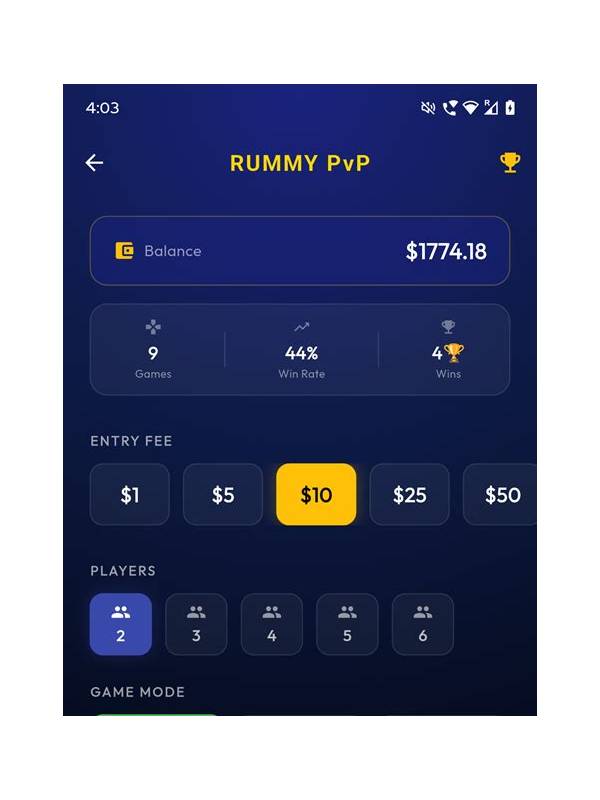
A game lobby is a decision screen, not just a list of available tables. Taking a minute to read it carefully can prevent mismatched expectations about format, pace, entry cost, and rules. The best table is the one you understand and can play comfortably, not necessarily the one that appears busiest.
Begin with the game format. Points, pool, and deals formats can use similar card mechanics but create different pressures. Check whether the listing describes a single hand, a series of deals, or a running score. If the format is unclear, open the rules or help panel before joining. A familiar title does not guarantee familiar scoring.
Next, inspect the entry amount and the total exposure. Some lobbies display a joining value while the final result depends on points, penalties, or multiple rounds. Look for labels such as service fee, maximum loss, prize pool, or number of deals. Read the full figure rather than relying on a large promotional number. You should know what can be committed before making a choice.
Table speed also deserves attention. A fast table may use short turn timers and leave little room to reconsider an arrangement. A slower table can be more suitable for learning, reviewing cards, or playing on a small screen. Do not select speed based only on excitement. Choose the pace that matches your concentration and available time.
Review the player count and whether the table is public, private, or invitation-based. Player count affects how many cards you observe and how quickly the discard pile changes. A private room may have additional settings that alter the experience. Confirm the rules for reconnecting if a connection drops, because a brief interruption should not surprise you during a live hand.
Finally, check responsible-play controls before sitting down. A useful platform should make balances, limits, support information, and account controls easy to find. If the lobby hides essential conditions, pressures you with countdowns, or uses confusing buttons, leave it and investigate first. There is no advantage in joining a table you cannot evaluate.
Use a simple pre-join checklist: format understood, cost understood, pace suitable, player count acceptable, and rules accessible. If any answer is uncertain, wait. A careful lobby decision improves the quality of the game before the first card is even drawn.
Also look for the table’s support and dispute information. Know how to report a technical problem, where transaction records appear, and whether a cancellation or exit is possible before play begins. If the lobby uses unfamiliar terms, read the official help material. A transparent lobby gives you enough information to make a deliberate choice without relying on pressure, urgency, or assumptions.
Related Post

Rummy Practice: Learn From a Hand You Did Not Finish
Reviewing an unfinished practice hand can reveal useful decisions even when there is no final [...]
Rummy How-To: Create a Quiet End-of-Session Routine
A quiet end-of-session routine closes play with a record, boundary check, and clear stopping point. [...]