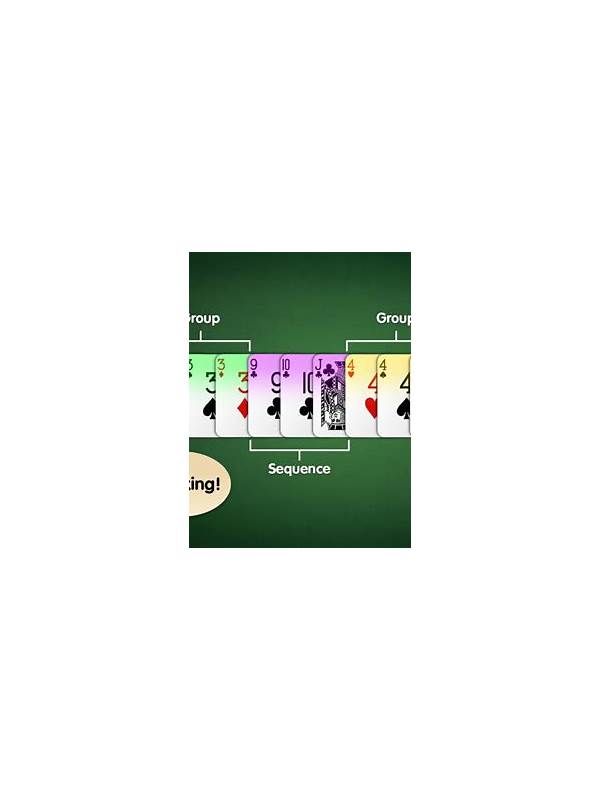
Rummy Practice: Test Your Memory With Hidden Discards
Remembering every card in a rummy round is difficult and often unnecessary. A better practice target is selective recall: retain a few decision-relevant cards and describe your confidence accurately. The hidden-discard drill builds that skill with a standard deck and a simple note.
Deal a sample hand and place several cards face up as a discard sequence. Study the visible cards for thirty seconds, then cover two or three of them. Write down what you remember, including the suit and rank only when you are confident. Mark uncertain memories with a question mark instead of filling gaps with guesses.
Uncover the cards and compare. Look for patterns in your errors. Do you remember middle ranks but confuse suits? Do you notice the first discard and forget the most recent one? These observations tell you what to practice. The goal is not a perfect score; it is a more reliable picture of what information your attention can hold.
Repeat the exercise with a purpose. In one round, track cards that would complete your main sequence. In another, track high-point cards or repeated ranks. Keep the tracked category small. If you try to remember the entire deck immediately, the drill measures overload rather than useful observation.
Add uncertainty to the decision. After hiding the discards, choose between two sample plans and state how much the hidden information should influence you. If your memory is uncertain, keep the plan robust to either possibility. This is closer to live play, where observations are partial and opponents’ hands remain unknown.
Avoid treating memory as a guarantee. A discarded card may not be available to you under the rules, and another copy may still be elsewhere. Even a correct recall changes odds; it does not determine the next draw. Good card tracking supports judgment without replacing it.
Finish with a short review: one card you recalled correctly, one you confused, and one decision that did not need the information at all. Practice for five minutes, then stop. Selective memory is useful when it improves attention to relevant evidence while leaving room for uncertainty. Vary the delay before uncovering the cards, but keep the exercise brief. A ten-second delay tests immediate recall; a minute tests whether the information stayed available while you considered a plan. Both are useful, provided you record confidence instead of claiming precision you did not have. Accuracy and honest uncertainty matter more than a high practice score.
Related Post
Rummy Safety: Set Limits Before a Competitive Session
Pre-session limits help keep a competitive card game within a comfortable time, attention, and spending [...]
How to Notice Tilt During a Rummy Session
Recognizing emotional tilt early gives rummy players a practical chance to pause before decisions become [...]