Rummy Hand Review: Separating Facts From Assumptions
A post-game review is most useful when it separates what actually happened from what you believed would happen. Without that separation, players often call a sensible decision a mistake merely because the next card was unhelpful. Rummy contains uncertainty, so the quality of a decision cannot be measured by its outcome alone.
Create two columns after a round. In the first, record observable facts: the cards you held, the open-pile options, the turn number, and the arrangement you finally declared or abandoned. In the second, record assumptions: which card you thought an opponent wanted, which draw you expected, and how likely you believed a combination was. This simple format makes hidden guesses visible.
Next, examine the hand at three moments. First look at the opening deal and ask whether your initial plan was flexible. Then inspect the middle game and note when a weak idea should have been replaced. Finally, review the last few turns and check whether you verified every sequence and set before declaring. These checkpoints are easier to evaluate than a vague conclusion such as “I played badly.”
Look for repeatable habits. Do you keep isolated high-value cards too long? Do you ignore a useful open-pile card because it does not match your first plan? Do you rush after an opponent makes a declaration? A single occurrence may be ordinary variance, but a pattern deserves a practical adjustment. Choose one behavior to test in your next practice session rather than changing everything at once.
Keep the review short and neutral. The purpose is to improve observation, planning, and verification, not to justify chasing a loss. If the round involved money, record the result separately from the strategic notes. Clear records protect the learning process from emotional pressure and help you judge progress over several sessions instead of one memorable hand.
It can also help to mark the information you did not have. You may not know an opponent’s intended group, the next card, or whether a discard was forced. Listing these unknowns prevents an unrealistic review in which every later event is treated as predictable. Good analysis asks whether the choice was reasonable with the information available at that moment.
End with one actionable sentence. For example, “Next time I will compare two discard candidates before choosing,” or “I will read the format scoring page before joining.” If the lesson cannot be expressed as a behavior, it may still be an emotional reaction rather than a useful finding. Revisit the note later and keep only lessons that appear more than once.
Related Post

Rummy Practice Without Cards: Use Verbal Hand Walkthroughs
Improve rummy review skills with short spoken or written walkthroughs when a table is unavailable. [...]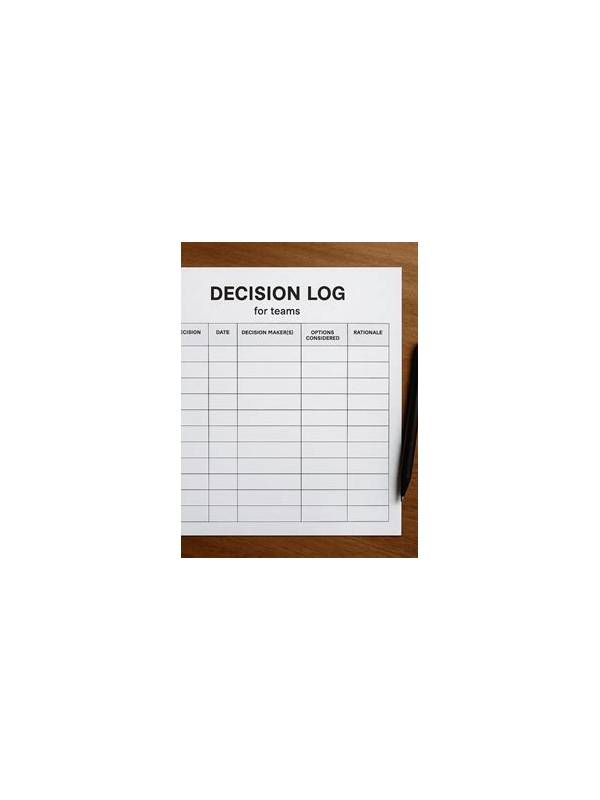
Rummy How-To: Create a Decision Log With Four Labels
Four simple labels can record why a card was kept or discarded without turning a [...]